I Let The Castaways Speak to Me • Deborah Halbfoster
BY DEBORAH HALBFOSTER
I watch as people I know are simplifying their lives. They cast away their once-favorite and now-dogeared books. I started asking questions. "What book had the biggest impact on you?" Or, "What book changed your life?" Catch 22 is my stepson's favorite book. He wanted it commemorated in some way. This is my gift to him.
If you step up very close to the frame, away from the sunlight, you will note that a square has been incised in the cover of "Catch-22." As if peaking into the book through the cutout square, you read, "There was only one catch and that was Catch-22. Orr was crazy and could be grounded. All he had to do was ask; and as soon as he did, he would no longer be crazy and would have to fly more missions." "That's some catch, that Catch-22" he observed. "It's the best there is," Doc Daneeka agreed. And now, on the wall, in front of our eyes.
Some hold the cover of a book sacred. To cut one into pieces, let alone write on it, would be a destruction. But I see this as my way of showing devotion to a tattered and well-thumbed old friend whose pages are yellowed and wrinkled. I look at what is left of the book, its remains, and let myself take one last stroll through the words and phrases that I have, over time, highlighted and commented on in margins. By preserving them in this form, I present them once again to the viewer, once again alive and new.
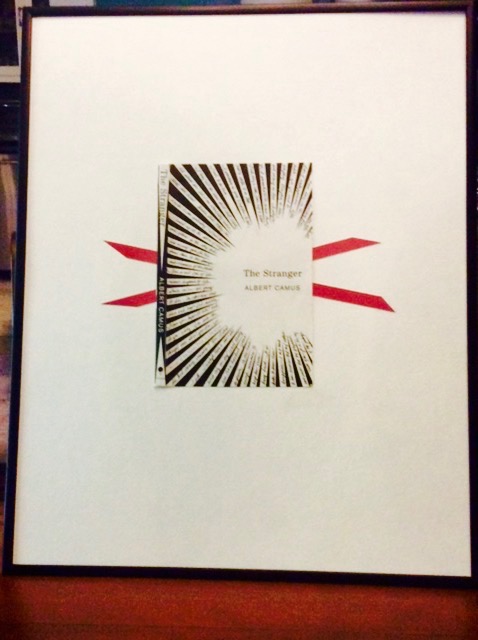
This one requires more squinting. Perhaps a flashlight. But that would be appropriate when you read the quotes: they shed light on the confusing edges of complexity. "There is not love of life without despair about life." "Since we're all going to die, it's obvious that when and where doesn't matter."
I let the castaways speak to me, provide me with words and space for their resurrection. If they remain mute, I do nothing. I leave them be.

I wrote my favorite quotes on the black Setting Sun in white ink, going in circles around the table top as I wrote because this is the way the sun took me. "Last Year nothing happened / The year before nothing happened / And the year before that nothing happened."
As I circle the book, I ask myself, how many years of our life can we say that? Hanging it on the wall is an act, a reminder, a question. Did nothing happen? Did I miss what happened?


Deborah Halbfoster is often seeing walking away. She enjoys the peace of being left alone, but also leaving, wondering, and wandering. A graduate of Rutgers University (English Literature), Deborah worked in Human Resources for years until quitting to take care of her aging mother. It led her back to writing, creating collages, painting in watercolors and ink, and finding 'her' again, outside of a work environment. Walking away is always walking towards something else.
A Fortress of Order Within Chaos • Ingrina Shieh
BY INGRINA SHIEH
Urban landscapes have always enticed to me. I love how lines intersect with other lines and the way shapes within, through, on top of other shapes create the towering skyscrapers we recognise so well. At a distance, city skylines emanate a beautiful stillness and unflinching majesty while within them pulses the movement and sounds of millions of lives. People, machines, and people on machines, darting around at a frenetic pace; opportunities opening and shutting before me. It exhausts and excites me. And though I’m constantly surrounded by people, I can sometimes feel the loneliest I’ve ever felt. Such contrasts hold me captive between repulsion and absolute adoration, so I‘ve come to simply accept the city as it is: a fortress of order within chaos.
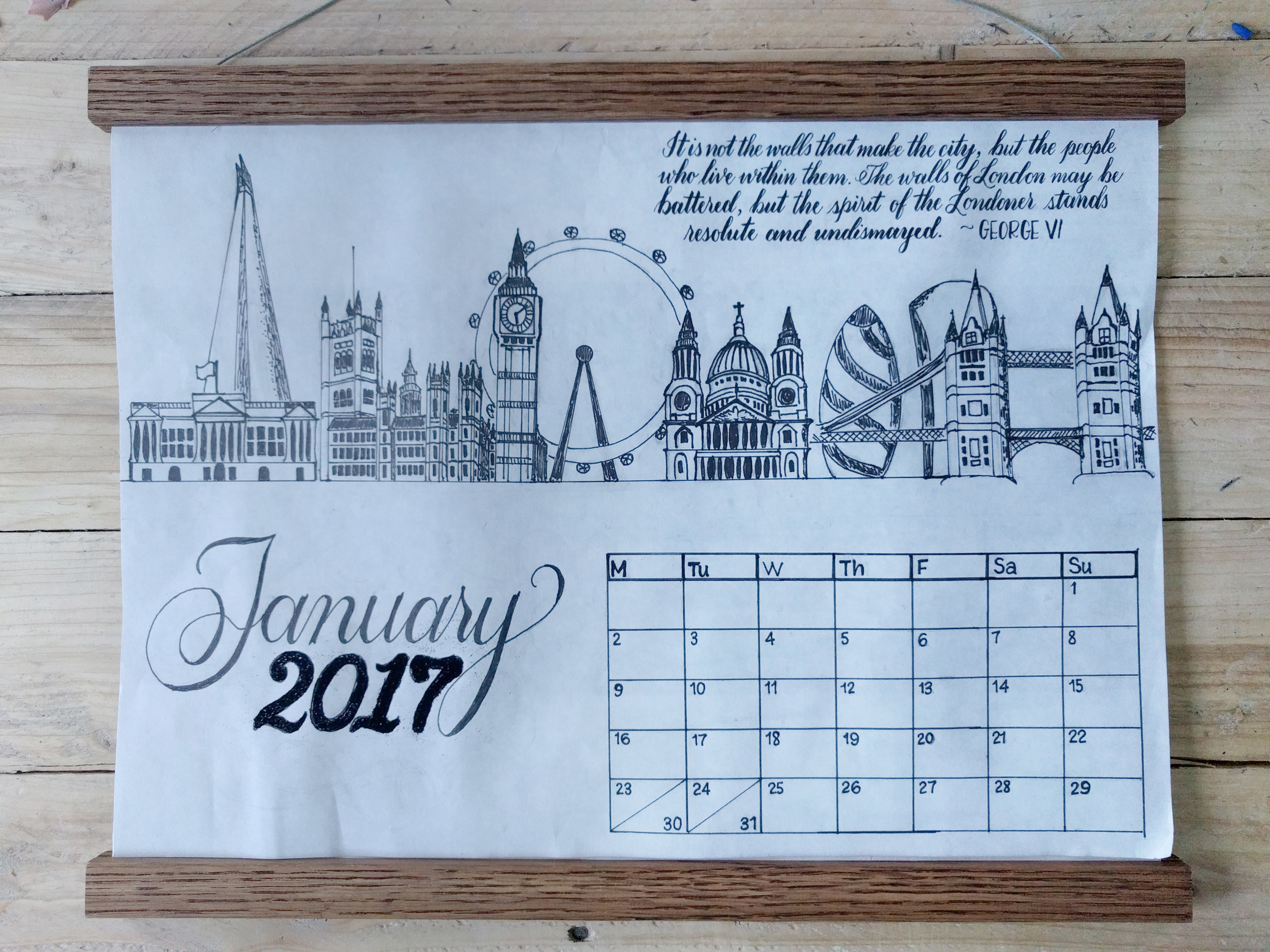
It thus seemed fitting that I design my first hand drawn 2017 calendar based on cities of the world. I don’t know what possessed me to draw it rather than design it with software, but once I got the idea, it stuck. I also thought working with cityscapes by hand might help me learn the basics of design and drawing: how to put lines and shapes together and how light hits objects at certain angles.
Naturally, I started off with the city I call home — London — though I had already done practise sketches with Venice and Boston. This sketch took a good deal longer and involved more ruler-ing and erasing than I’d anticipated, but two days before 1 January 2017, my shaky hands committed the sketch to ink, and I even embossed ‘2017’ for the hell of it.
As a tribute to Londoners, I added a quote by George VI: It’s not the walls that make the city, but the people who live within them. The walls of London may be battered, but the spirit of the Londoner stands resolute and undismayed. The end result is not completely what I had envisioned — a little flat, lacking in character and depth, a little boxy — and I realise that I need to upgrade my drawing pens. But this first step has provided a foundation for the coming months’ designs and further ideas to zoom into cities on a micro level.
I’m excited about interacting differently with the iconic buildings I see so regularly in person and online. In drawing London, an unexpected intimacy came from having to examine details — ornate and simple — and deciding how to transfer them to paper. When I passed Big Ben and the Palace of Westminster during my early morning run, I noticed how many elements I missed or couldn’t fit onto the page. But, by studying it as I had, I was able to appreciate its grandeur and craftsmanship more deeply and to admire the fact that, long ago, this icon was borne out of someone’s careful etchings on paper.


Ingrina Shieh lives and works in London, where she is learning design and lettering in her small loft. When her hands are hurting, she takes her legs out to run, walk, or cycle around London's windy streets. Or she goes to buy more paper and pens.
Mother's Day Handwritten Recipe • Arthur Schwartz’s Marble Meatloaf
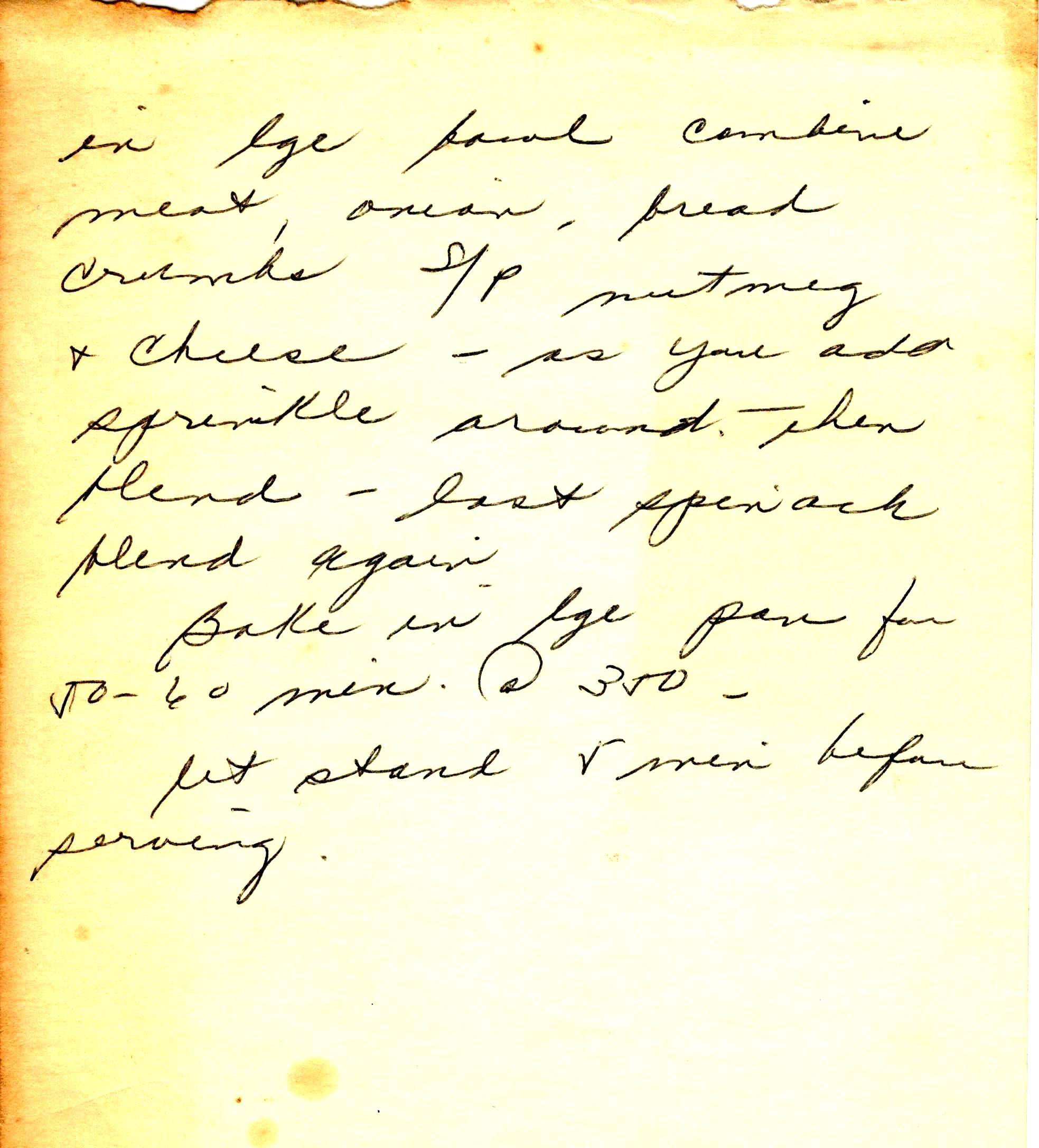
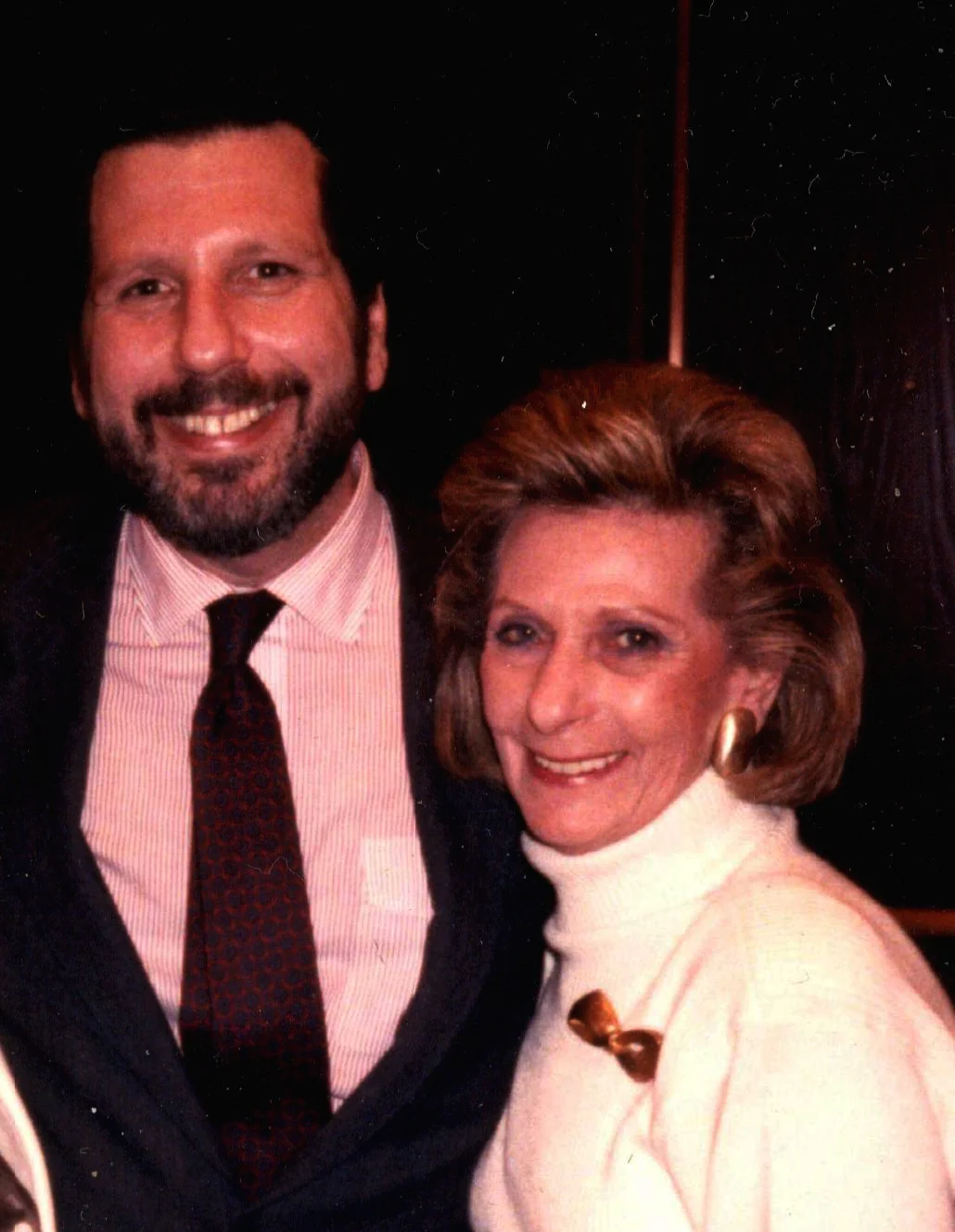
Note from curator Rozanne Gold: This priceless story, so perfect for Mother’s Day, is personal and poignant. It comes from New York’s beloved Food Maven, Arthur Schwartz who happens to be one of my closest friends. We met each other in 1978 in the kitchen of Gracie Mansion, when I was the chef for Mayor Ed Koch and Arthur was the restaurant critic for the New York Daily News. Arthur went on become a legendary food writer and radio personality, but also a well-respected cooking teacher and “walking encyclopedia” of all things Italian, Jewish, and New York. His is a rich and riveting portfolio of knowledge and experience. You can learn more about Arthur from his many cookbooks, including Jewish Home Cooking: Yiddish Recipes Revisited. Many thanks to Arthur for his “Mother’s Day” essay – a treatise on food and memory for sure, but also one, quite fittingly, about the art of handwriting.

Recipes My Mother and Grandmother Wrote by Arthur Schwartz
Elsie was a great and avid cook. My mother, Sydell, her daughter, was a good cook, but she never had the enthusiasm for cooking that Elsie had. It’s obvious from her recipes, however, that she at least wanted to continue family food traditions, which she did, more or less, after my grandmother died. Most of her recipes in that folder, written in my mother’s very neat, even beautiful, penmanship, are from my grandmother’s repertoire. I can tell which were written by Elsie herself because my grandmother’s handwriting was sloppier than my mother’s, though derived from the same New York City standard as my mother’s, and, in fact, my own handwriting, which is somewhere between the two in clarity.
We all learned the same style of penmanship in New York City schools. Called The Palmer Method, it was taught in New York from the late nineteenth or early twentieth century (as far as I can tell) until relatively recently, when cursive writing ceased to be taught altogether. When we all grew up, however, examples of The Palmer Method in which we were mercilessly drilled, was exemplified over every elementary-school blackboard in an alphabet printed on oak tag. For the longest time, I have been looking for a cache of recipes in a manila folder, mostly for Passover, handwritten by my grandmother and mother. They were on odd slips of paper, on the backs of envelopes (my grandmother’s favorite “note” paper, it seems), or scribed onto pages torn from notebooks. Some are mere ingredient lists, some have full or sketchy directions. But for the life of me, for years I couldn’t find them until just a few weeks ago.
Spring cleaning my office, I came across them in time to motivate me to make one of my family’s favorite Pesach dishes for our Seder. It is sweet potato and prune tzimmes, a sweet and sour casserole flavored with a goodly amount of flanken, which, to the Yiddish cook, is short ribs cut across the bone instead of between the bones. It’s one of the few recipes of my maternal grandmother, Elsie Binder Sonkin, that I have not published during the 47 years I have been a food writer and editor, and I was happy to see it outlined in my mother’s neat cursive. It was delicious, by the way.
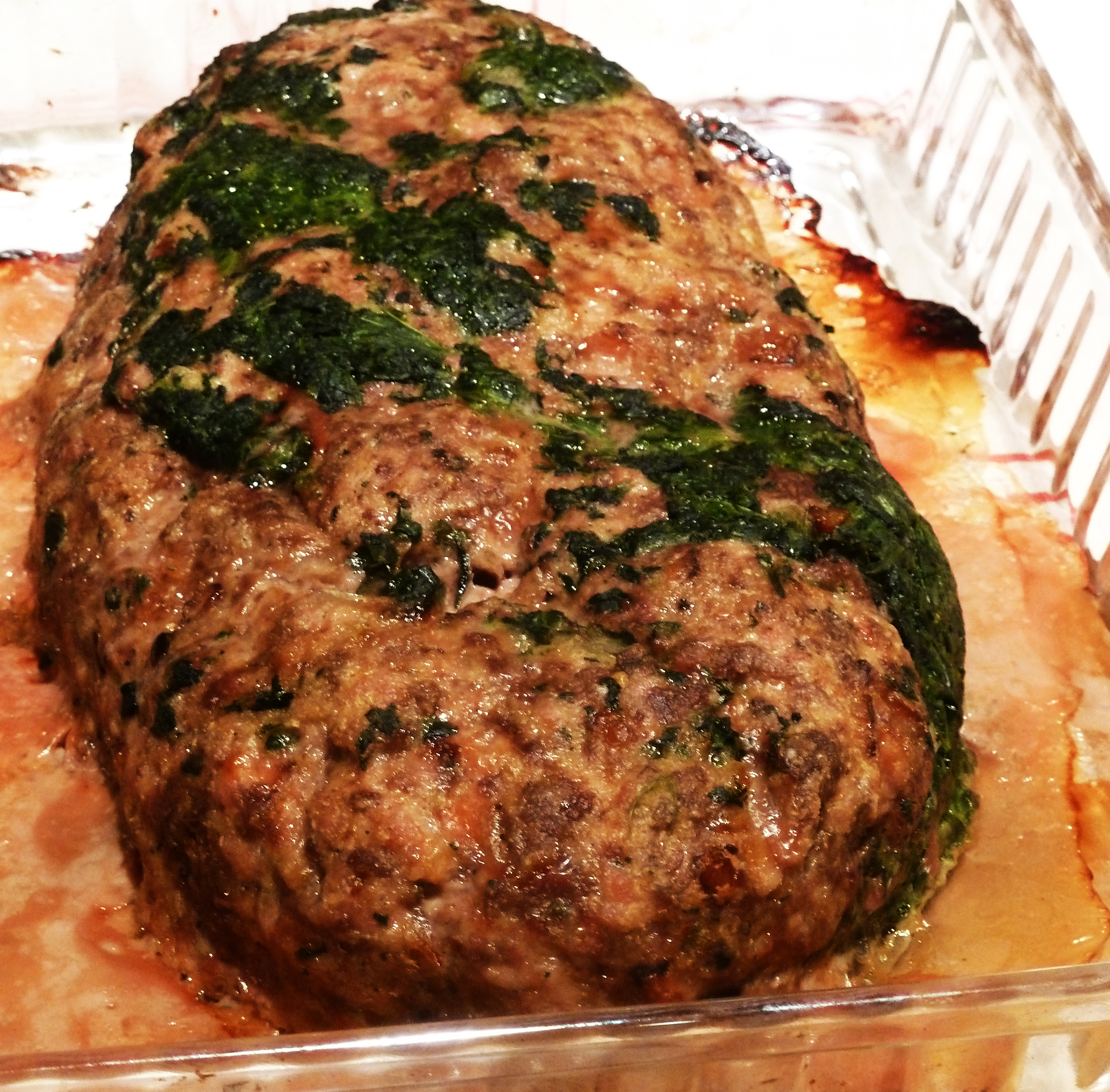
The most thrilling recipe I found in that folder, however, was not any of my grandmother’s, most of which I have already published in books, newspaper columns and magazine articles, but my own. It is for a meatloaf I created about 30-something years ago (before I would have put it on my computer) for the birthday of my long-time partner and now legal spouse, Bob Harned. Bob has fond memories of this meatloaf recipe, which was published in a weekly column called “Sundays in the Kitchen with Arthur” that I was writing for the New York Daily News Sunday magazine. I called it Marble Meatloaf, because it is streaked with spinach. Bob has asked me to make it again from time to time, but I’d lost track of the exact recipe. I am sure the magazine it appeared in is packed in one of the many archival boxes in our storage locker, but I’ve never gotten the energy to pursue the search.
Sydell’s handwritten version to the rescue, a gift from my mother, who died 26 years ago, on Mother’s Day. I think I have to make it this weekend.

Arthur Schwartz’s Marble Meatloaf
Ingredients
1 medium onion, finely diced
2 tablespoons butter or oil
1-1/2 lbs. ground chuck
½ cup fine dry bread crumbs
½ cup milk or water
1 egg
1 teaspoon salt
½ teaspoon freshly ground black pepper
1/8 teaspoons freshly ground nutmeg
3 to 4 tablespoons grated parmesan cheese
10-ounce package chopped spinach, thawed
Serves 4
Directions
- In a small skillet, sauté onion in butter until golden, about 8 minutes. Meanwhile, combine bread crumbs and milk; let stand so crumbs absorb milk, then, with a fork, beat in the egg.
- Take the chopped spinach in small handfuls and squeeze out excess moisture.
- In a large mixing bowl, combine the ground beef, the sautéed onion, the bread-crumb mixture, salt, pepper, nutmeg, and grated cheese. As you add the ingredients, distribute them around the surface of the meat, don't just plop them in.
- With your hands, blend everything together until mixed well. Add the spinach and mix again, just until all the ingredients seem equally distributed. Don't overmix or knead the meat.
- Turn the meat mixture into a rectangular baking dish and pat into a rye-bread shaped loaf about 4 inches across at the bottom and tapered towards the ends. Bake in a pre-heated 350-degree oven for 50 to 60 minutes, depending on doneness desired. Let rest 5 minutes before serving. Serve hot or at room temperature.

Handwriting Gala at Pen + Brush Gallery this Saturday (3/5) from 2 - 7 pm
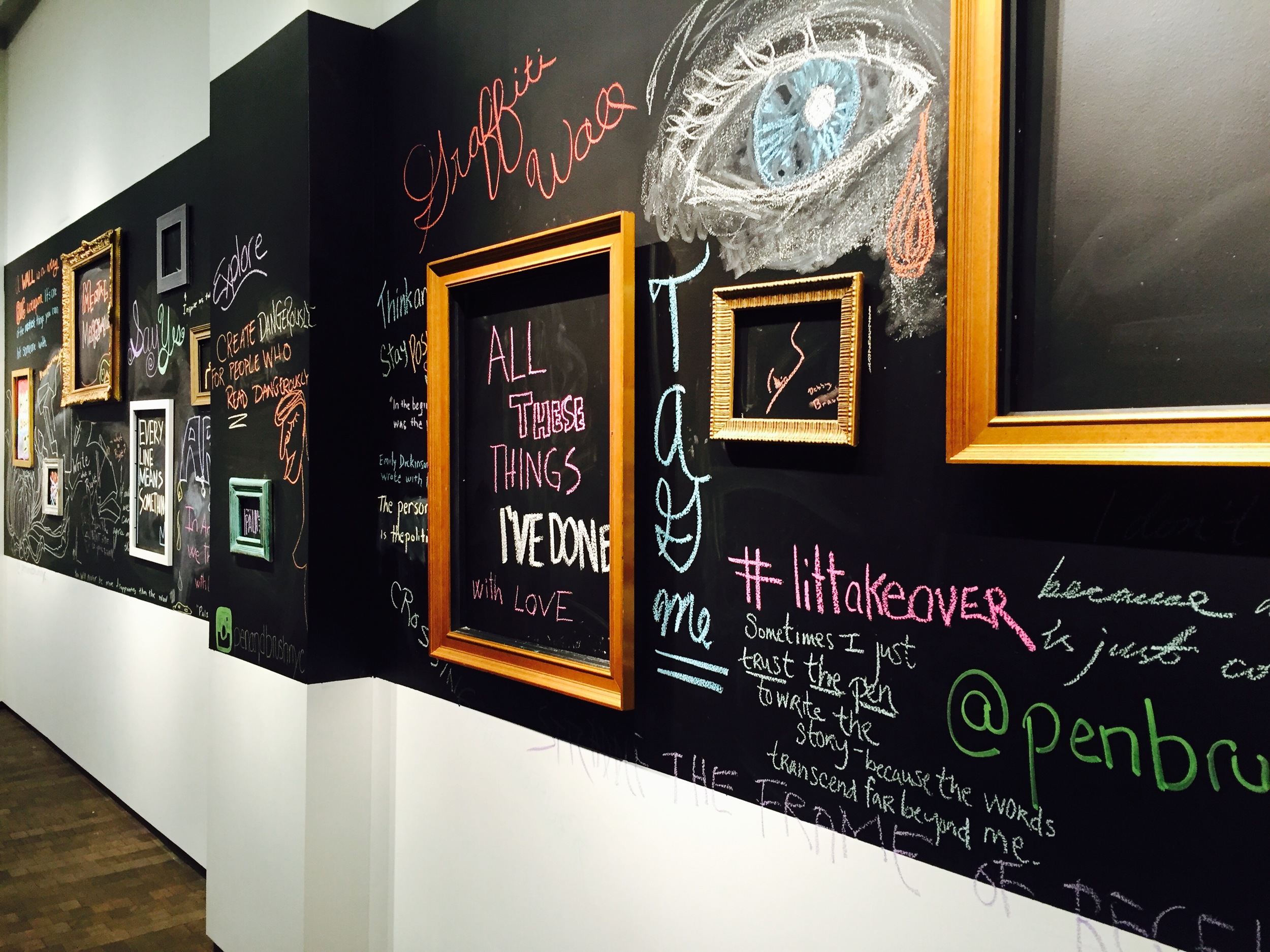
This coming Saturday, we will be at Pen + Brush hosting a Handwriting Gala, showcasing handwriting in all its glory. The day will begin with a letter writing playshop led by author and poet Karen Benke, and then unfold into a few presentations about where and how handwriting is surfacing in the world today.
Come write a letter, get enveloped by the handwritten word, and explore all the nooks and crannies in this beautiful space. For a full list of details for the day, check out our Events tab or click here.
Spinach Pie • Rozanne Gold


Note from Curator Rozanne Gold: I am grateful to Steve North and his mother Bunny North for sending me this wonderful recipe belonging to Grace Cohen. Steve is one of my oldest friends and an award-winning journalist, and Bunny is one of the best bakers I know. Grace and Bunny were close friends for years. This poignant story was told to me by Michael Cohen, whose mother Grace was the owner/creator/handwriter of this delicious recipe. Thank you to Steve, Bunny, and Michael Cohen for the heartfelt memories.

Spinach Pie by Rozanne Gold
Imagine starting your day by breaking bread with both sets of grandparents and eating the same dish for seven consecutive years. Michael Cohen did. Talking (and thinking) about this handwritten recipe for spinach pie brought back memories of these breakfasts and illuminated an immigrant history that connected the Ottoman empire with the New World.
“I was so excited by this,” said Michael to me about receiving my phone call to discuss his mother’s handwritten recipe. “I called my sister, Sarita, immediately.”
Michael’s mother, Grace Cohen (née Matalon), came from a Sephardic Jewish family whose origins were rooted in Turkey and Greece.
Grace’s mother, Anna, was born in Istanbul. Anna attended the Alliance Française in her birthplace and spoke six languages: Spanish, Greek, Turkish, French, English and Ladino. Ladino, also known as Judeo-Spanish, was a Romance language derived from Old Spanish that was once the common language of the Jews who lived in the region of the Adriatic Sea, the Balkans, and the Middle-East. Grace's father, Meyer, was born in Salonika (also known as Thessaloniki) a port city located in Northern Greece.
Meyer and Anna met on a boat in the early 1900s en voyage to New York. They settled on the Lower East Side where a large Sephardic community gravitated towards each other and supported new immigrants. This was a time of no social welfare, so the community was quite insular and tightly knit. They were not very religious but the Sephardim leaned towards traditions.
Anna and Meyer eventually moved to Williamsburg, Brooklyn and had Grace, who was an only child. Grace married Michael's father, Sam Cohen, (who is now ninety-three and lives in Coconut Creek, Florida). Grace was 22 when she married Sam at the Roosevelt Hotel in New York City.
Grace and Samuel moved to Queens after Michael and his sister was born. Sarita has two children, Matthew and Gayle. Michael Cohen and his wife Marcia have one daughter, named Grace, who is seventeen.
Michael remembers his mother as a housewife and a very good cook. Grace passed away when he was thirty years old, more than three decades ago. He says that feeling never goes away.
"Whatever she cooked, we all ate and loved it. But actually, both of my grandmothers, Anna and Sara, made this dish. They called it desayuno and it was eaten for desayuno (which means breakfast.) Every day there was spinach pie, bourekas stuffed with cheeses or eggplant, and watermelon, fruits, figs, olives, feta cheese—every day! The only eggs we had were brown eggs boiled overnight on a low flame.”
Michael's paternal grandparents were also from Salonika. They all lived near each other for years in a bungalow in the Rockaways where they would share this glorious repast.
Ladino was spoken all the time. Michael doesn't speak it well but understands it. After all the grandparents died there was no more spinach pie for breakfast.
Since being reacquainted with this recipe, however, thanks to Michael's friend Steve North and his mother, Bunny North, who is the keeper of Grace's handwritten recipe, Michael is excited to make his mother's spinach pie again (…just maybe not every day). Sarita is the one who still makes it often.
The Sfongato or Fritada is like a pie, solid, and baked in a large tin. It is served warm and cut into large squares.
See the recipe made recently by Allison Radecki.


Spinach Pie
Fritada Sfongato
2 packages, 10 oz. frozen chopped spinach
4 eggs
1/2 cup Matzo meal
1/2 cup water
3/4 lb. feta cheese or farmer cheese**
1/4 tsp. salt
1/8 tsp. pepper
About 4 Tablespoons oil
1. Thaw the spinach. Press out water from frozen spinach.
2. Mix all ingredients together.
3. Put about 4 Tablespoons of oil in a baking pan. When oil gets very hot, sprinkle some matzo meal in pan. It should sizzle and get brown.
4. Pour mixture into hot pan and spread evenly.
5. Bake at 375 for about 1 hour or until the top and sides are brown.
**Even though Grace wrote farmer's in the recipe, it is much tastier made with feta. Bunny North said that feta wasn't that readily available 40 years ago, or that "kosher for Passover" feta wasn't available at all back then. And she always makes this recipe during Passover (as well as during the rest of the year).

87 Reasons Why January is the Best Month of the Year

HANDLED BY HANDWRITTEN
In January, there are eighty-seven reasons to celebrate. Statistically, that means you should be celebrating 2.81 times every day, or, 78.68 times so far this month. You might not have known that you had so many chances to be festive. Don't worry, neither did we. Tens of opportunities passed us by, which we've come to terms with, but some of the knowledge could have come in handy. For example, on January 6th, we woke up to a feeling of looming aloneness. Had we only known it was National Cuddle Up Day, we could have rolled over, grabbed anything nearby, and clutched it closely. Or when, on January 16th, we had nothing to do that night, who knew we were already observing National Nothing Day? It was, in fact, everyone else who weren't being festive. And knowing now that there are 87 national holidays in January, including the celebration of our spirit animal, Squirrel Appreciation Day, we'll have a much better start to 2017 than 2016.
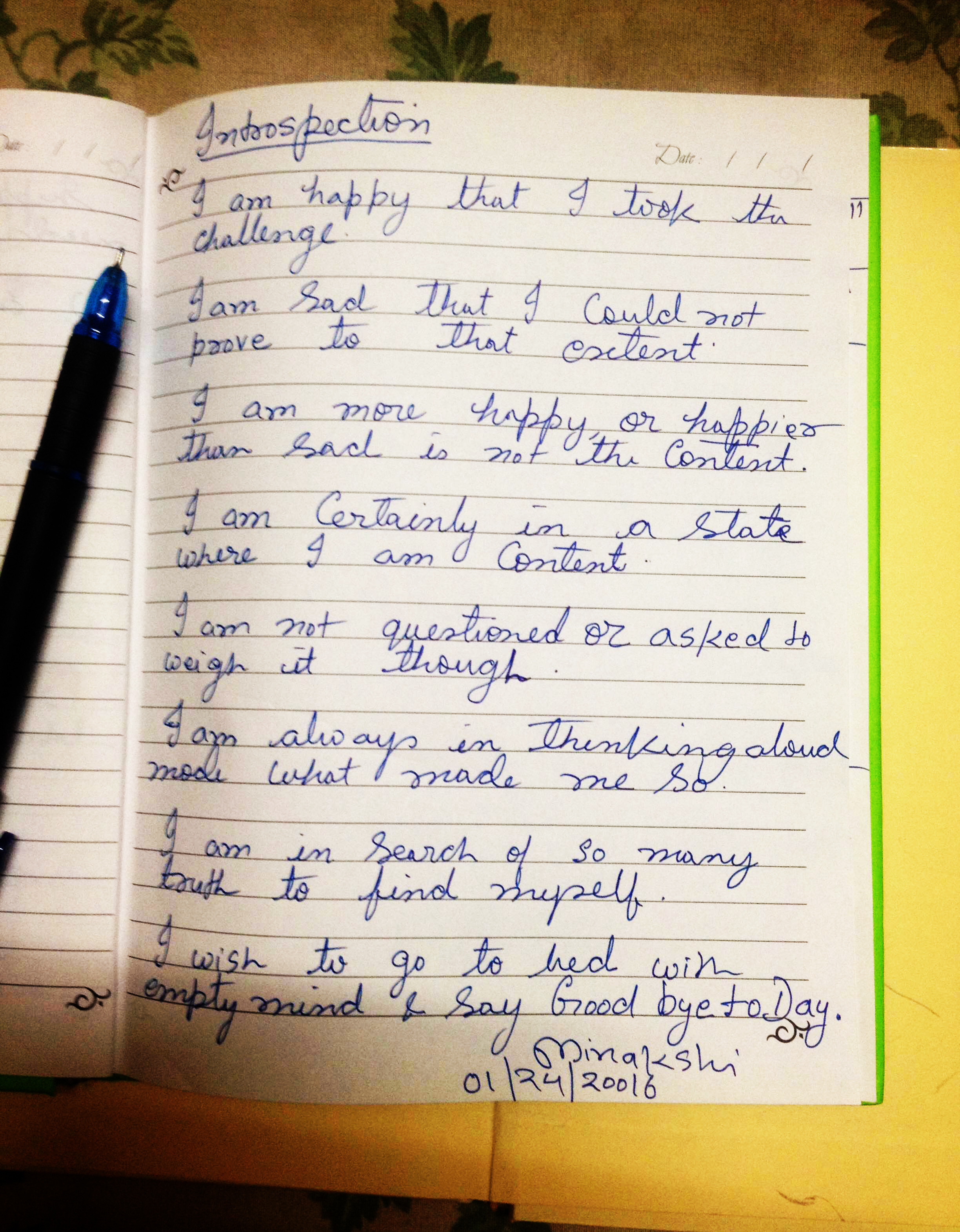
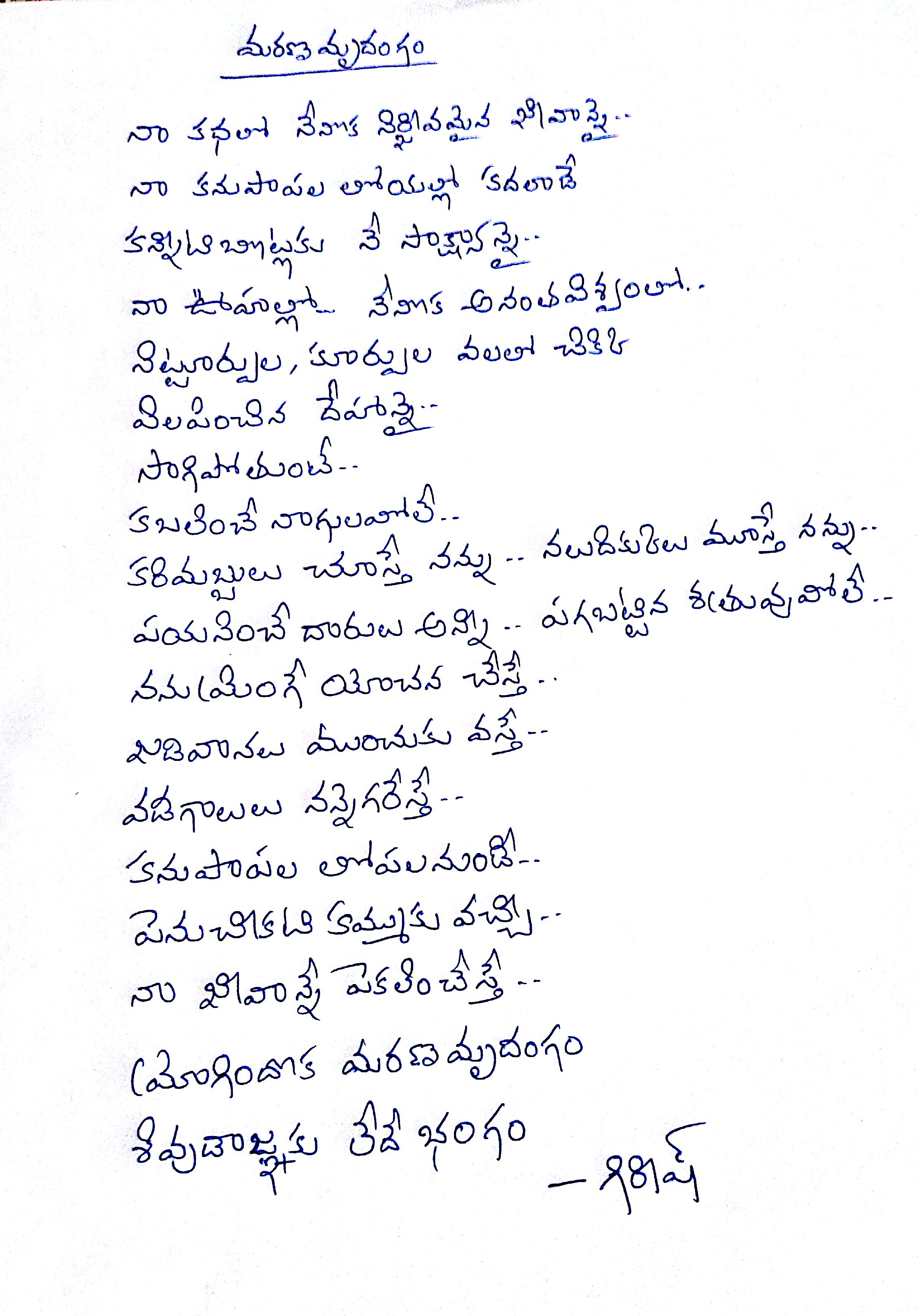
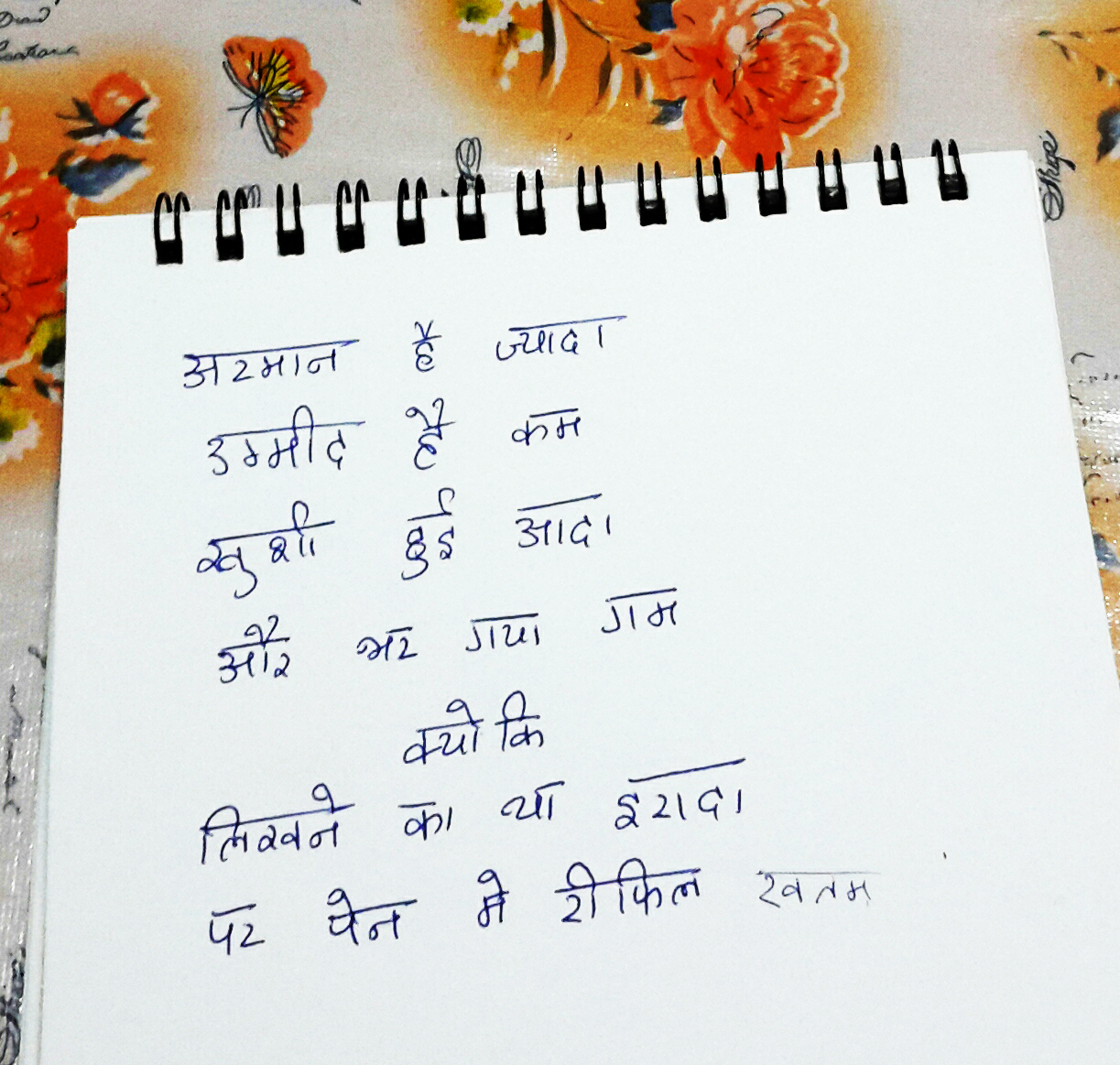
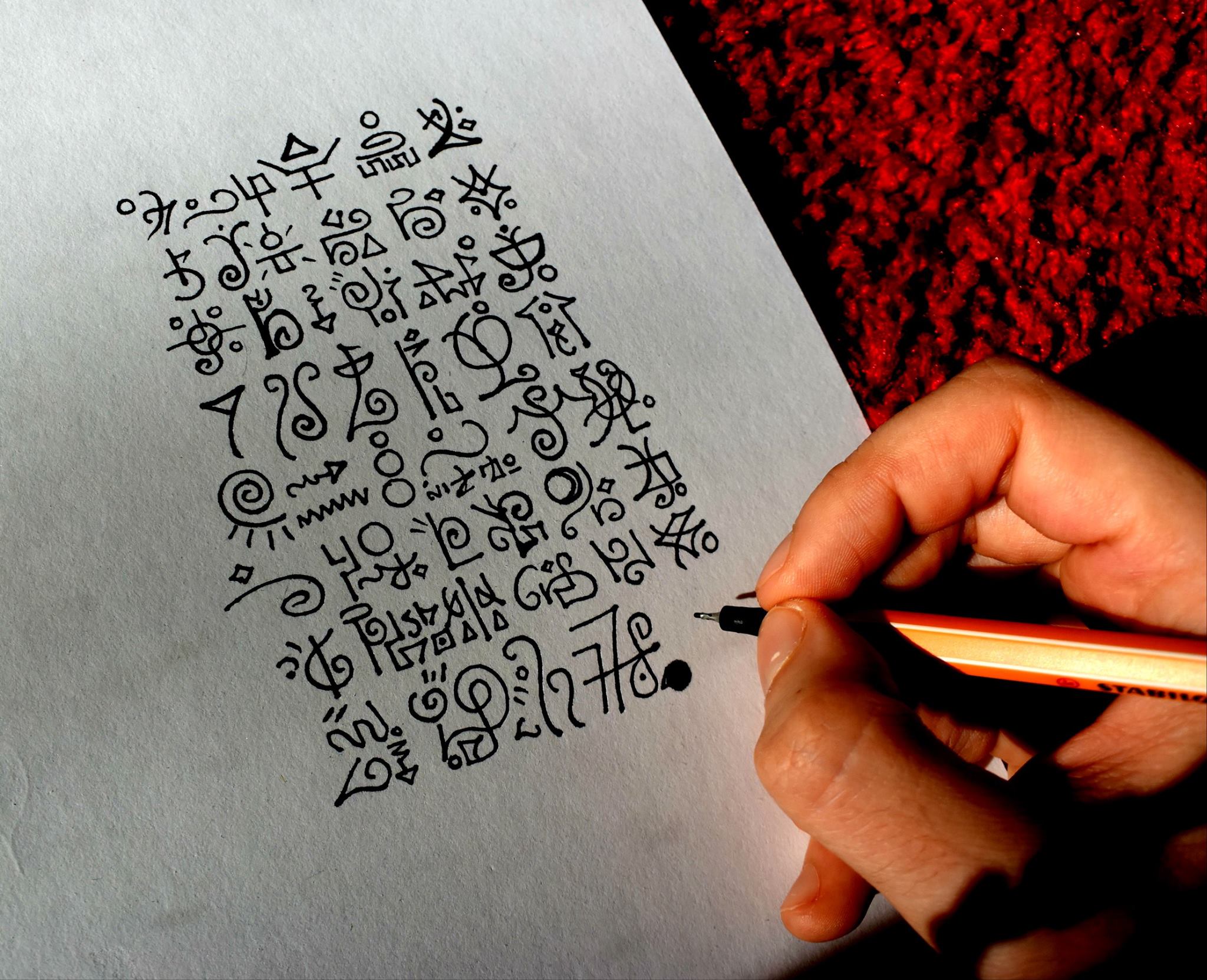
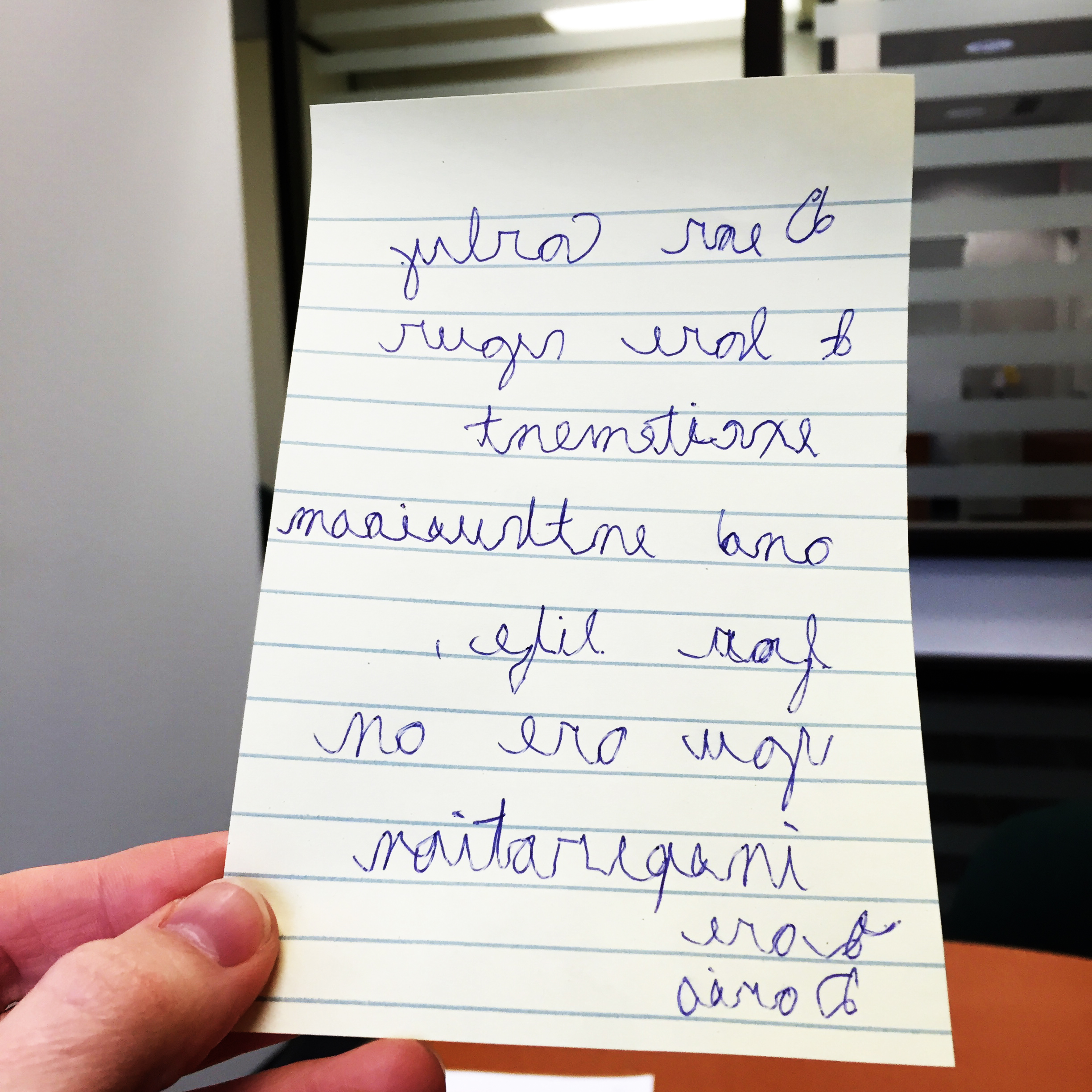
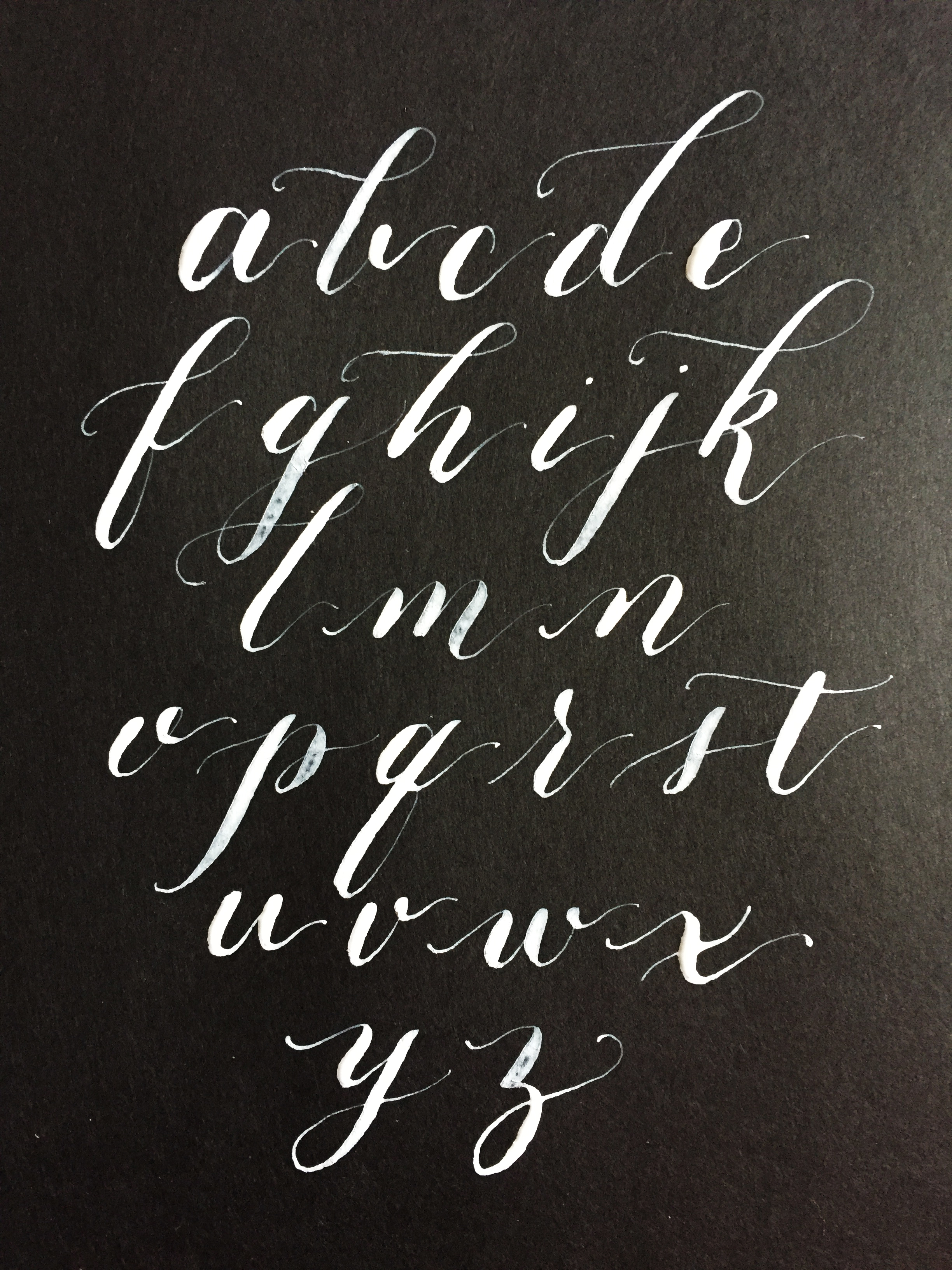
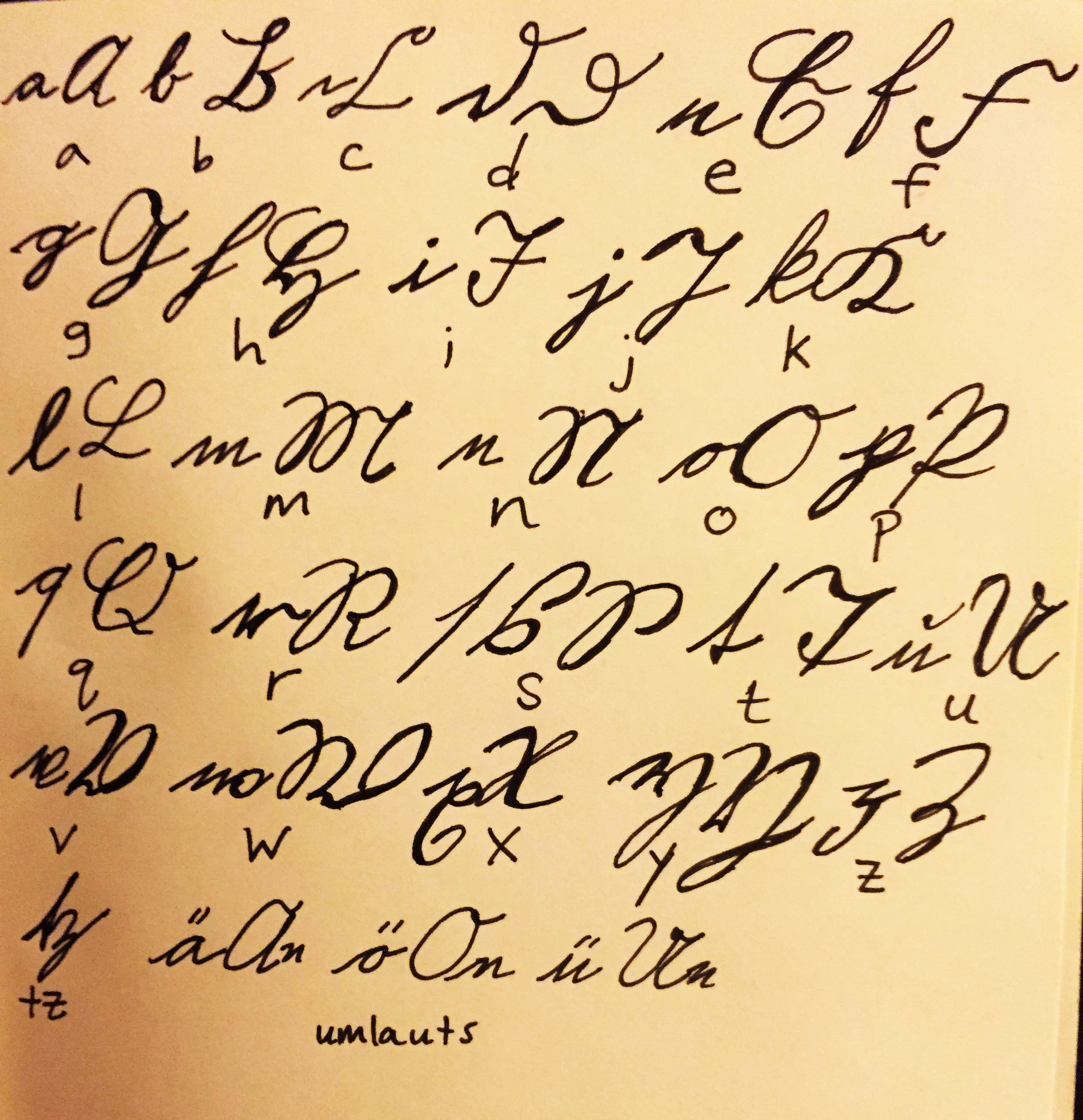
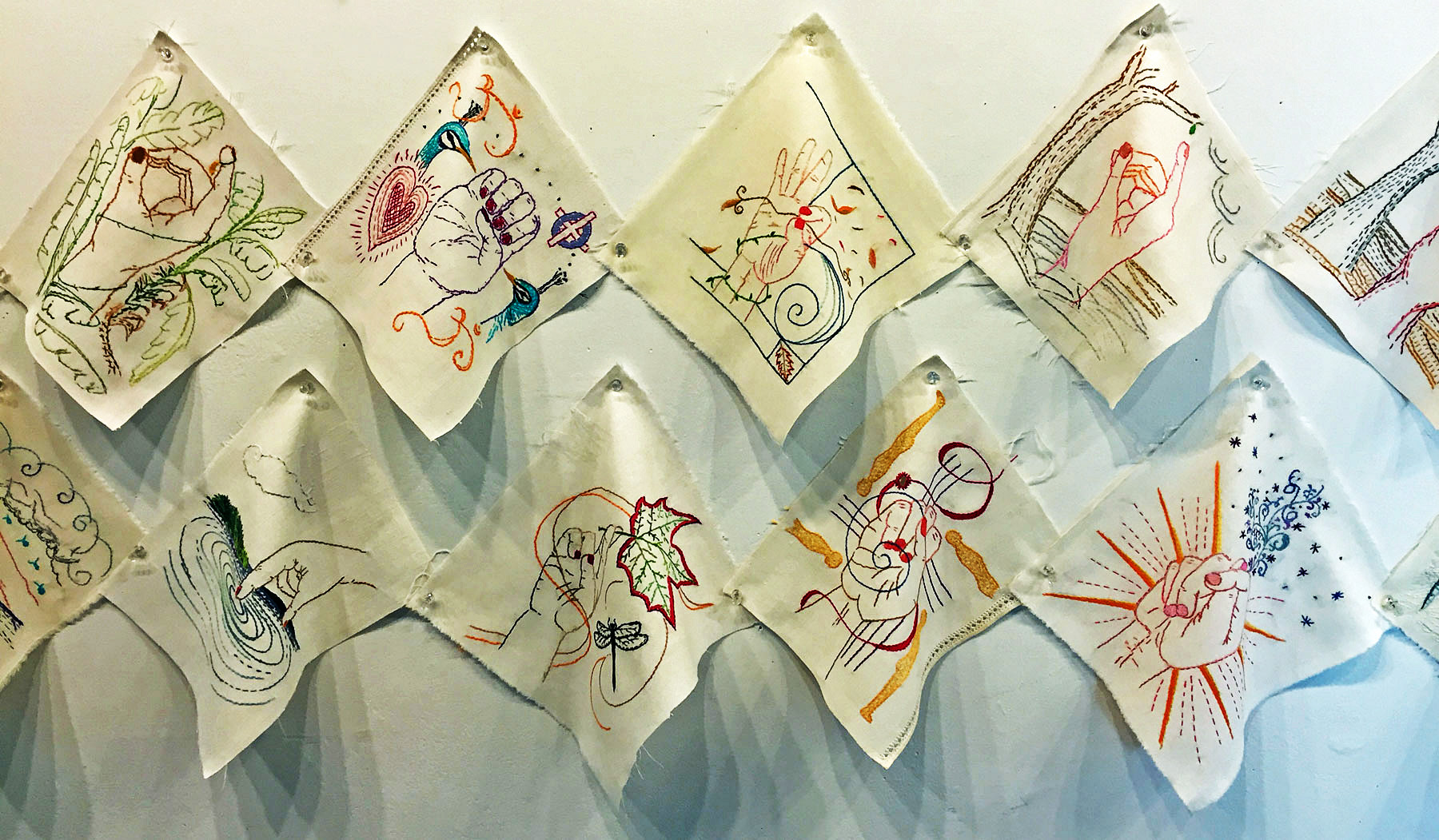
All this being said, there was one holiday we didn't miss: National Handwriting Day on January 23rd. Here at Handwritten, we hosted an International Handwriting Day, welcoming all the alphabets. We received words, shapes, and characters of all kinds, from invented languages to backwards cursive. But we were one of hundreds celebrating this beautiful day, which is the point of this post: the things others did to celebrate pen, paper, and personalities. And so, here is a list of creative things we came across, but also learned, on this fine day:

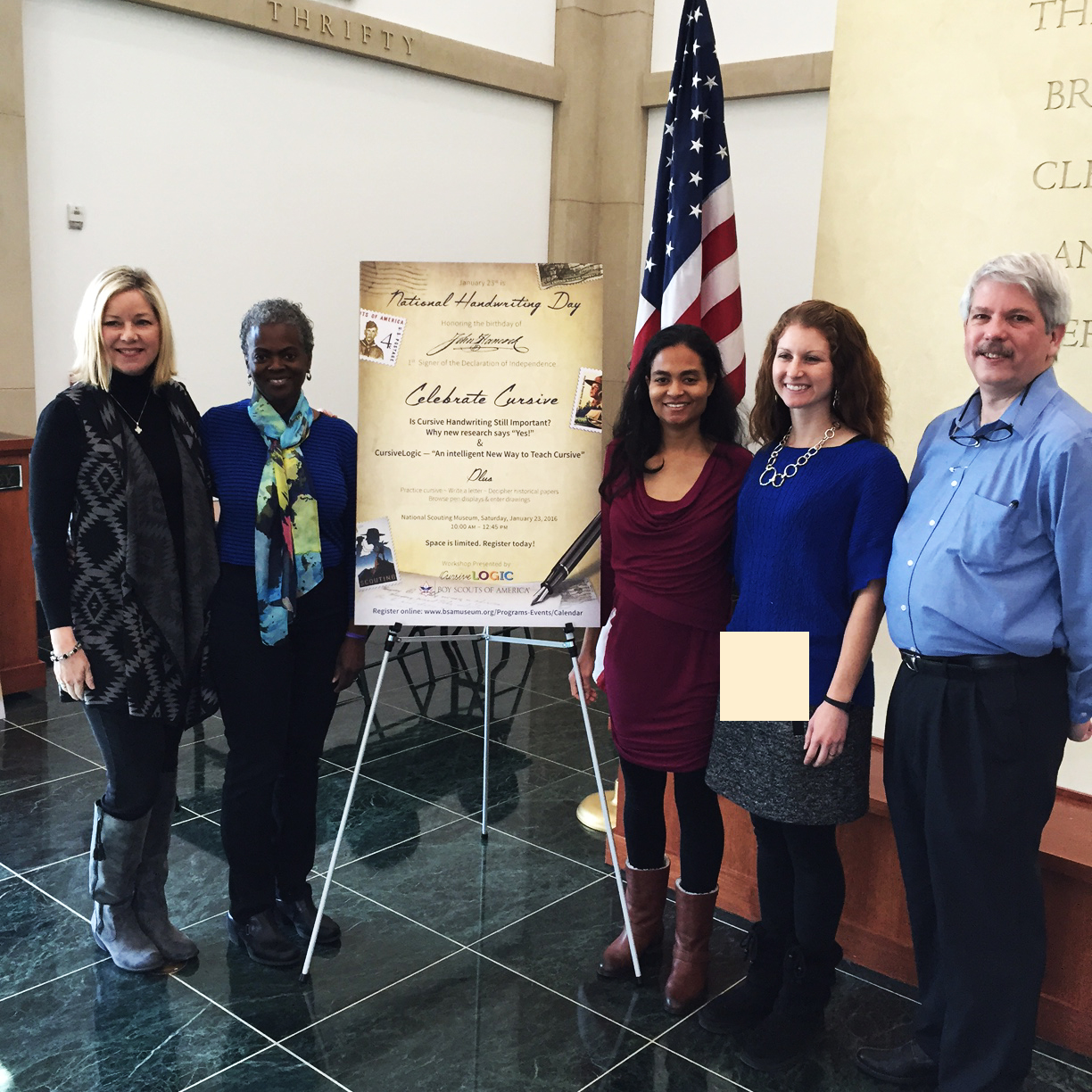
CURSIVELOGIC. There is a mother-daughter team in Texas right now that has a patent-pending model for teaching cursive writing. They have, literally and figuratively, reshaped the way we learn cursive writing. We wrote about them before (You Can Stop Cursing at Cursive Now), but on National Handwriting Day, they once again did something great: they paired together with Boy Scouts of America and hosted a day of promise for the pen and paper. Students and families in the Dallas-Fort Worth area joined in on the festivities, where they had the opportunity to learn cursive, examine historical documents written in cursive, and hand-write letters to loved ones. Volunteers at the event included Dallie Clark from Collin College (who is creating an exhibit dedicated to the letter) and the manager of Paradise Pen. You can read more here.



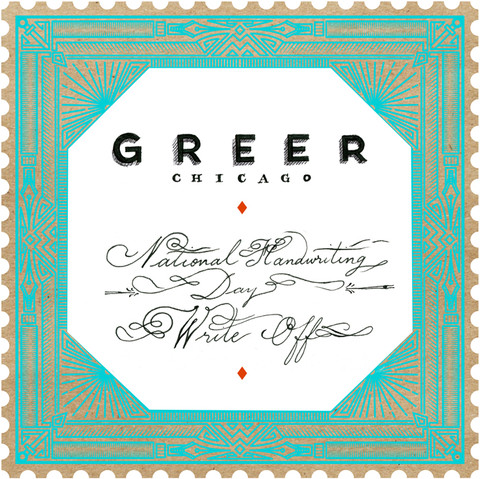
GREER CHICAGO. In Chicago, Greer hosted their first annual Instagram Write-Off, "honoring the magical intersection of pen, paper, hand and thought." To enter, people had to: write a quote from Isaac Asimov ("Writing, to me, is simply thinking through my fingers") and post to Instagram with the hashtag #greerchicagowriteoff and a hashtag for the category they were entering: #cursive, #print, or #freestyle. Each entrant had the chance to win some pretty sweet swag, all of which was decided by a panelist of prolific people of the pen, one of whom (Kathy Zadrozny) is from Letter Writers Alliance, another beautiful site that serves to give people the resources online to get them offline.

MOLESKINE. One of our favorites, Moleskine, hosted a handwritten tweet-off: anyone that hand-wrote a tweet with the hashtags #moleskin or #handwritingday appeared in their online gallery. And Fun Facts: Debra Messing, Gabrielle Hamilton, and Bruce Willis joined in the ink. But fame aside, one of our favorites from the hand-tweets:

Image from the online gallery for Moleskine's handwritten tweets.

EMMA HEMING-WILLIS. Relatedly, Emma Heming-Willis joined in on the celebration of pen and paper by blogging about the impact of writing by hand in her daily life, but also why she holds onto so many pieces from the past. And for those who haven't ventured into daily episodes of writing by hand, Emma suggests a few of her favorite brands as possible entrance stones for those in need of a little direction. Below, Emma shared with us two images from what her family wrote on National Handwriting Day, including a call to action by Bruce Willis for southpaws to stick together, and a note from Emma about seeing her daughter Mabel write her own name on paper.


Writing Instrument Manufacturers Association. While WIMA did not do anything this year, we have them to thank for the holiday, as they were the ones who started it in 1977, says International Business article. Side note: IB also encouraged people to partake in the day in five ways, encouraging people to explore their creativity, using the handwritten word to express feelings sometimes lost in the cloud of our lives. To find out more about WIMA, follow them on Facebook or go to their great domain name (www.pencilsandpens.org), but if you're more curious about history, then go over to History for A Brief History of Penmanship.

From WIMA's post during National Handwriting Day on Facebook

AMERICAN HANDWRITING ANALYSIS FOUNDATION. The AHA's arm-span reached into 16 states and 9 countries this year, culminating in their campaign to bring cursive writing back into the classroom. A short snippet of their announcement: "Members of the Campaign for Cursive (C4C), part of the nonprofit American Handwriting Analysis Foundation, are sponsoring 60 global events, articles and interviews in 16 US states and 9 countries. A growing grassroots effort, C4C has been gathering momentum in its quest to focus attention on the importance of returning cursive handwriting instruction to public schools." You can follow and like them on Facebook, read more about this Campaign for Cursive here, or the Campaign for the Right to Handwrite here.

NATIONAL WWI MUSEUM AND MEMORIAL. The National World War I Museum and Memorial brought out four letters from their archives to celebrate, which you can see here. And this is what they had to say about the day: "Penmanship is a true art form and one very identifiable way of expressing ourselves in the day-to-day. On #NationalHandwritingDay, enjoy these beautiful examples from the Museum archives. We hope you're inspired to pick up a pen and write a letter!" We agree with a whole heart.


FOXNEWS. And coming in at Number 10, even though there are only 7 others, is FoxNews. Even they decided to participate by testing their penmanship, which actually surprised us because we hadn't really thought of that news outlet, or any for that matter, as one to engage in the act of self-reflection. But, that they did: three anchors scribbled a sentence onto a chalkboard, which was then analyzed by handwriting expert, Kathi McKnight. One of the takeaways? If you leave little spacing between your written words, you manage your time poorly; whereas, if you have even spacing, you are aware of boundaries. Let's see how far they take this takeaway.

Jokes and jabs aside, if you are curious about what you can do from now on to prepare for next year's National Handwriting Day, here's one great idea: check out our partners, Sketchbook Project, and either sign up for a sketchbook yourself, or send one to a friend who you know would benefit by the gift of energy and ideas. We received a Sketchbook this past year, which gave us a sense of purpose we didn't see coming. There are a few days left to register: give the gift of inspiration to that creative you know, even if it is yourself, and join the 162,010 others in the world who have participated to the passion.

Whatever you choose to do from here on out, whether it's celebrating an observed or unobserved holiday, keep that beautiful pen busy, planet.










You Can Stop Cursing at Cursive Writing Now • A Handwritten Review

HANDLED BY HANDWRITTEN

Meet Linda Shrewsbury and Prisca LeCroy, the mother-daughter team who has changed the world of cursive writing. Literally and figuratively, they have reshaped the way children, and adults, learn cursive writing: not in alphabetical order, but by shape. And in less than one week, their second campaign comes to a close. Their first, a Kickstarter last year, was successfully funded and raised $33,000.
This helped bring CursiveLogic, the workbook you see below, into existence, and now, Shrewsbury and LeCroy are set on taking it into the classroom with their new campaign, Cursive2Class.
What exactly is CursiveLogic's method? It reorders the alphabet into four shape-groups (oval, loop, swing, and mound), color-codes them with visual and audio cues, and fits into a single workbook that has — prepare yourself for this — regular paper and dry erase worksheets. Heaven, we know. Whereas old models required students to sit in place and etch the alphabet in order and silence onto recycled and photocopied sheets of paper, this four-lesson workbook takes students through each similarly-shaped group of letters, while at the same time teaching how to write full-length words. This model, workbook, and business is the absolute example of how, coupled with new technologies, we are finding more effective ways of teaching children the fundamental skills and knowledge necessary for cognitive development.


This is the answer the core curriculum has been waiting for, not to mention Town Hall Meetings and online forums. Cursive writing has been disappearing from the classrooms, but that is because the way it was being taught had not changed with the ways in which students are learning, and expected to learn, in the twenty-first century. We are preparing students for jobs that don't exist yet because we are still inventing them. But the thing most people don't see is that when cursive handwriting goes, a lot of other things we cannot see or feel vanish with it as well, including reading comprehension, articulation, writing and sensory motor skills.
The old model wasn't working. We live in a technological world, and one that is constantly changing, which means we have to change with it. And CursiveLogic is not just keeping up, but it is ahead of the curve: they have side-stepped the political impasse and built their own business, a patent-pending approach, in fact, and instead of arguing back and forth with adults, they were sitting down with students and watching them work. Ever since their model surfaced, they have been gaining support from handwriting experts, educators, politicians, psychologists, and scientists around the country.
You might be thinking, this looks great, but not for me. We understand not everyone will want to relearn cursive writing, though we actually encourage you to do so (we have bought their workbooks and are going through it ourselves), but there is still something you can do: spread the word, sponsor a workbook, and help CursiveLogic make its way into the classroom. Join us and participate in their Indiegogo Campaign. We selected the "Get One and Give One" option, which we recommend, but if you want to Give Two, then do your thing.
The next time you hear someone up in arms about cursive writing, you can pat them on the shoulder, hold the cursive book you bring with you everywhere just in case you feel the urge to loop or swirl, and say, "You can stop cursing at cursive writing now."
Follow the links below to help support the remaining days of their campaign (Cursive2Class) and help a kid. Spread the love by liking them on Facebook, and check out their story in their words.
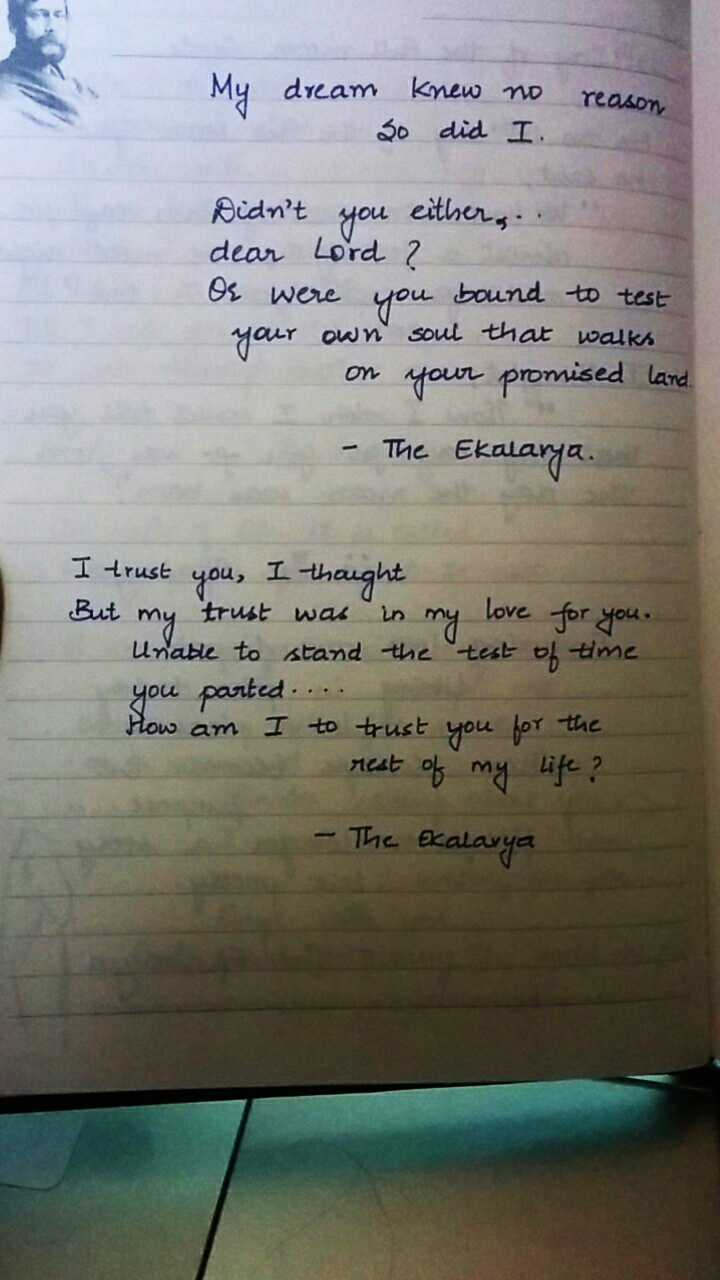
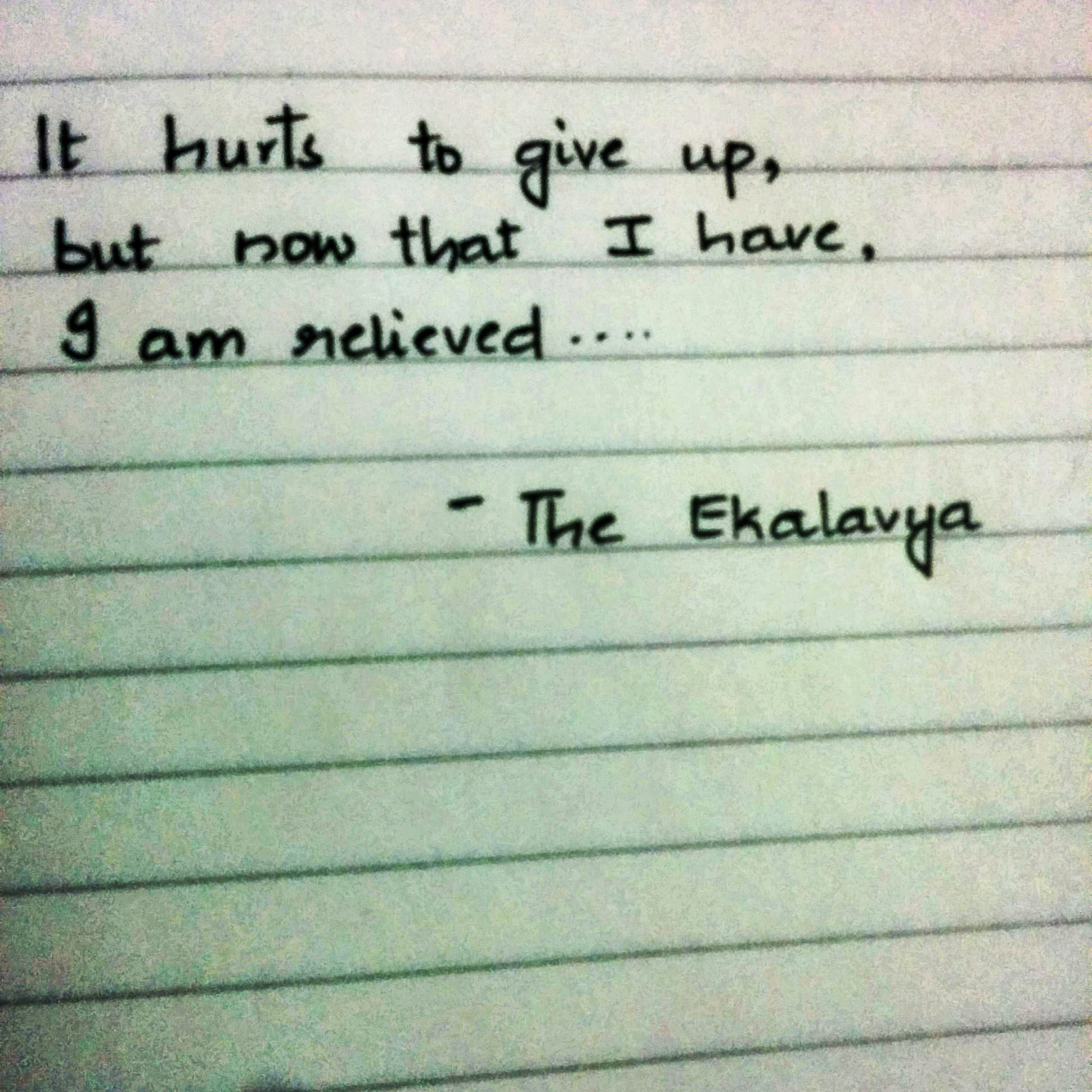
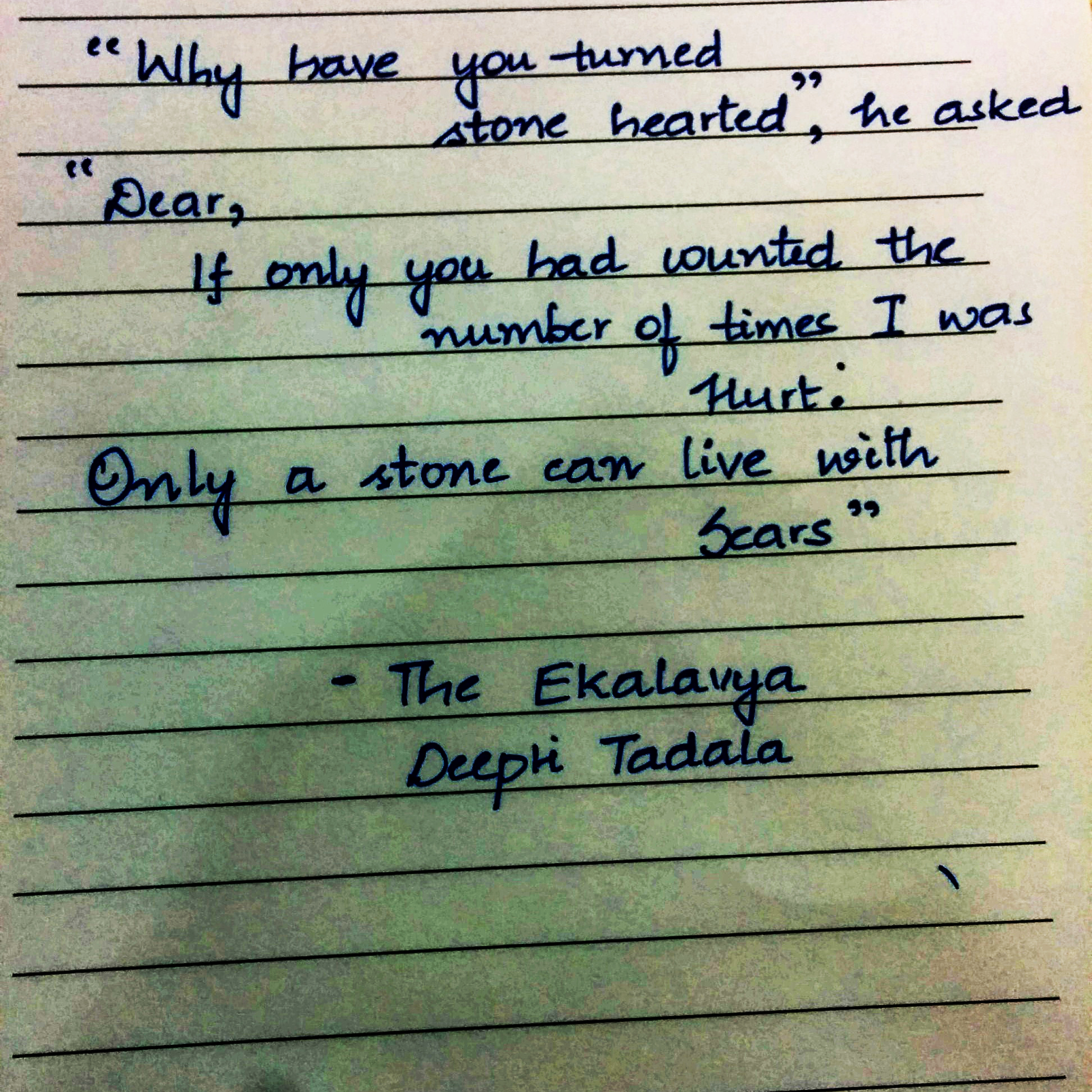
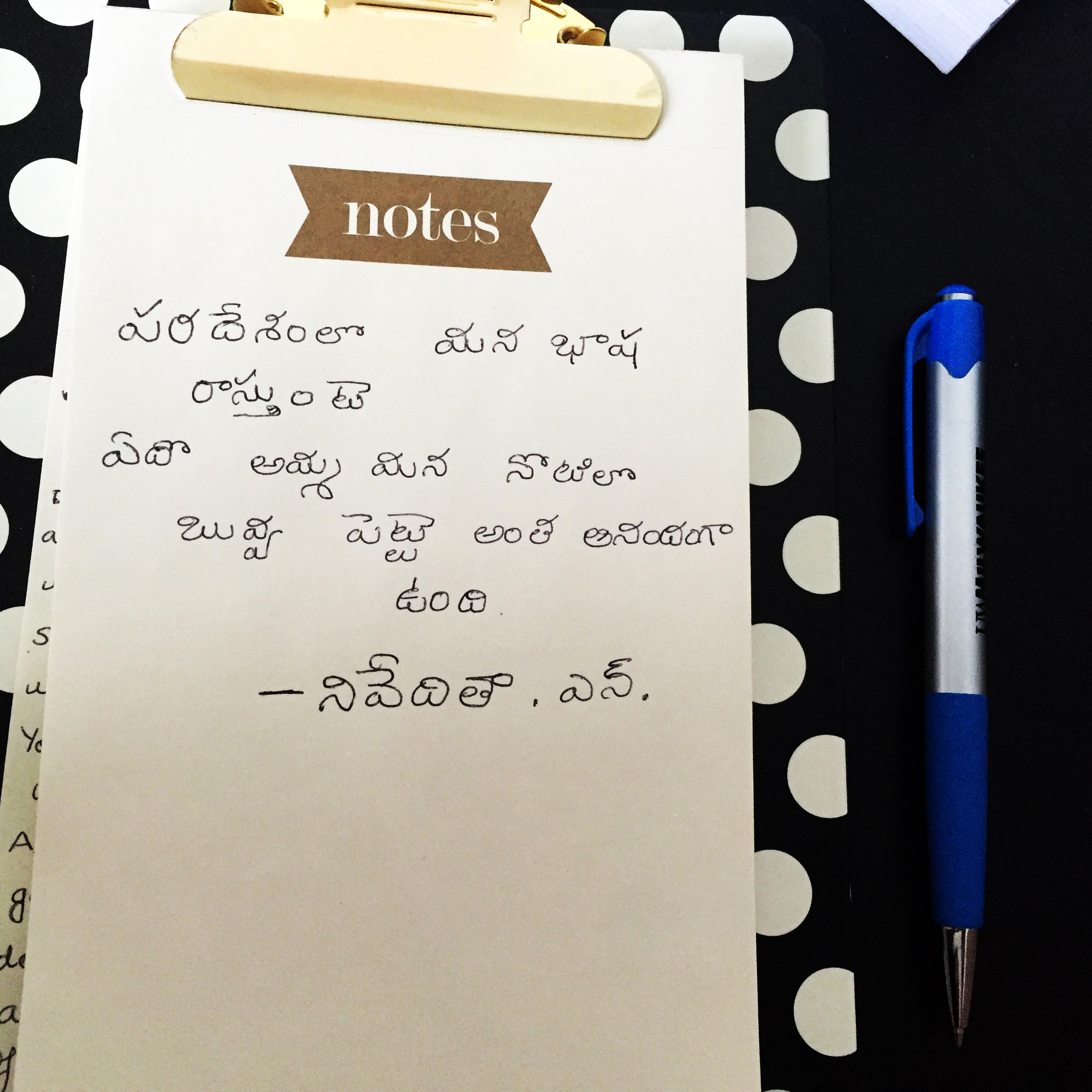
Indian Summer Evenings • Nivedita Nivi
While some use their journals to capture the everyday experience, Nivi uses them as a space and place for her poetry to roam.


A Hyderabadi at heart, Nivedita Nivi dwells in nostalgia. When not editing, reading or writing, she daydreams and watches the squirrels from the balcony of her house in Wisconsin and hopes to meet the rabbit imprisoned in the moon, someday.
Snappy Stories in Bed
A Get Well card from an antique shop that is dated 1955. A cute cat, thoughtful note, and throw-back to getting better, hurriedly so.

What was the cure for the common cold in 1955? A cute cat. So cute that nary an extra word is needed.


Have any gems hiding in your deep storage? Send them on over: info@handwrittenwork.com
Clean


Sarah Madges is a handwriter living in Brooklyn. Her handwriting has appeared in numerous composition notebooks, a handful of three-subject college ruled notebooks, and a whole host of moleskines. She also works with typed words, which have appeared in places like the Village Voice, Killing the Angel, and various abandoned blog platforms.
No Other Place Publishes Process • The Origins of Handwritten

In early Spring of 2015, Sarah Madges set out on a project surrounding the Handwritten word and recalled Brett mentioning a project he had recently begun. She reached out to ask if the project was still alive. It was, barely. The exchange served to reignite the project and has since turned into this site, which Sarah is also to thank for, as she since came on board as a central curator for the project. Below is their initial exchange about the idea for the site you are seeing today, which is constantly evolving.

SARAH MADGES: What inspired you to develop a publication/project surrounding the handwritten word? What is your own experience with handwriting?
BRETT RAWSON: I knew I wanted to start something last winter. I took a course at The New School that had us look at digital storytelling, and I found great calm mixed with wild energy in this embrace of and attitude toward technology - how can we use technology to promote our passions, digital or otherwise? On a morning in February, I was on the L train brainstorming for a separate project when the word Handwritten appeared from somewhere. I had my notebook in hand so I scribbled it down. I happened to be heading toward a workshop put on by PEN, so I wonder if that had something to do with the whole thought. At any rate, the word opened up the idea itself: a home for the handwritten word online.
There is no place that publishes things other than finished products. I wanted to promote process. There's a bunch of theories and thoughts about handwriting, penmanship, and personalities. I do think about them, and I care about them, but I am not specifically concerned about them. I don't really care much about their outcomes or conclusions. For example, I find it interesting what people think my handwriting says about me, but I care more about saying things with and through my handwriting. What comes of it in the end is not really something I can consider while I am doing it.
The idea is pretty simple—for people to express themselves with pen and paper, and be published for it. It's also to be a preserve of sorts—for letters written by those who have passed, for example. I am always writing by hand. I don't always write my stories by hand, though most things usually begin on paper—in a journal, on a napkin, or a legal pad. I do, however, write a lot of letters. It's how I ease myself into writing for the day. I can't jump into writing on the computer without starting by hand. I have to start somewhere free. In this sense, it's like stretching, doing yoga, starting out slow, or warming up.
MADGES: What is the project's mission statement?
RAWSON: A place in space for pen and paper. But I have been thinking about changing it to something a mentor of mine once said: writing is a physical activity.
MADGES: Are you concerned that handwriting / cursive lessons are being eclipsed by keyboard proficiency lessons in U.S. elementary schools?
RAWSON: I'm not so sure I am that worried about cursive. But that's probably because mine is horrific. In fact, my regular handwriting sort of looks cursive. Or maybe it looks like it is cursing. It's hard to tell. Someone once said my handwriting looks like a string of wasted wingding characters, which is offensive, but true. But handwriting altogether, what a horrific waste of natural talent. The hand is how we gain access to our inner self. I really don't think the computer can access that wild, raw energy inside each of us. When using a computer, I get an external feeling (usually in the form of mild swells of panic), whereas when I write by hand, the noise from everywhere really quiets down, and I can finally hear my own voice.
The people making these policies, or mistakes, probably don't write by hand much. I imagine they see it as a waste of time, or something of the past, that we should get with the times and technology. This measurement feels imprecise. And it isn't a matter of sentimentality. It also isn't about one or the other. I wonder when people will wake up and coexist - to stop living in some world of ones. I write on the computer all the time. I have four twitter accounts, a Facebook profile, page, and group, five Instagram accounts, one tumblr, and three websites. You know? It's not like I don't get the beauty and power in the computer, let alone its efficiency, insanity, and amusement. I am a user, and I love using it. But what a fucking mistake to not teach kids how to write by hand. So I guess I am concerned.
MADGES: Do you notice a difference in the kinds of things you write when you use pen/pencil as opposed to a computer / word processor? How do you think the writing tool affects content/style/etc? How do you think it affects the editing process?
RAWSON: Absolutely. The medium affects everything. The effect is also bilateral. The reader adjusts his or her expectations based on the medium. A letter is sort of like dining out—there is an experience to it. An email is more like take-out, delivery, or TV dinner - it is often more quick, requires less from me, and can be done while doing something else.
That being said, I don't see it as a matter of good or bad, better or worse. It is simply different. Writing by word processor is more about a product or outcome—a finished something—and so pieces composed there are usually toward that end. But with handwriting, it is more so a work of progress, or process. It is, inherently, more private and intimate. Computers are meant to connect, gather, and scatter. And the screen in between becomes a kind of reflection and projection, which can be a disorienting feeling that registers at a deeper level. Handwriting is about process on two levels -- one, it is about the process, but two, it is a way to process things. Not necessarily produce a product.
MADGES: Phenomenologists have argued that the self falls away when we are engaged in an intense activity, usually one that collapses the sense of the mind-body split by activating both elements. Do you think the writing implement of choice could act as a bodily extension, and that writing by hand helps combine subject and object in ways that promote intimacy with a text, whereas typing into a word document promotes separateness of subject and object?
RAWSON: Fascinating. I imagine this has to be. There is a oneness when it comes to things like painting, the piano, or even running, and so it would make sense that it carries over to hand-writers. It makes me think of meditation for some reason, only I don't really know why. There is intense freedom within limitation, which might be why the computer is such an energy vampire. It pokes so many holes in our concentration containers that after a short period of time, we feel totally drained. Whereas with the handwritten word, I think of a dam and what happens when everything flows through a single thing—it harnesses a new kind of energy. Because with handwriting, you aren't concerned really with what you're writing. There is something hypnotic about the way in which the hands moves.
MADGES: Anything else you would like to add?
RAWSON: Keep the beautiful pen busy!