Notes from My Soul in the Morning • Kate Hoyle
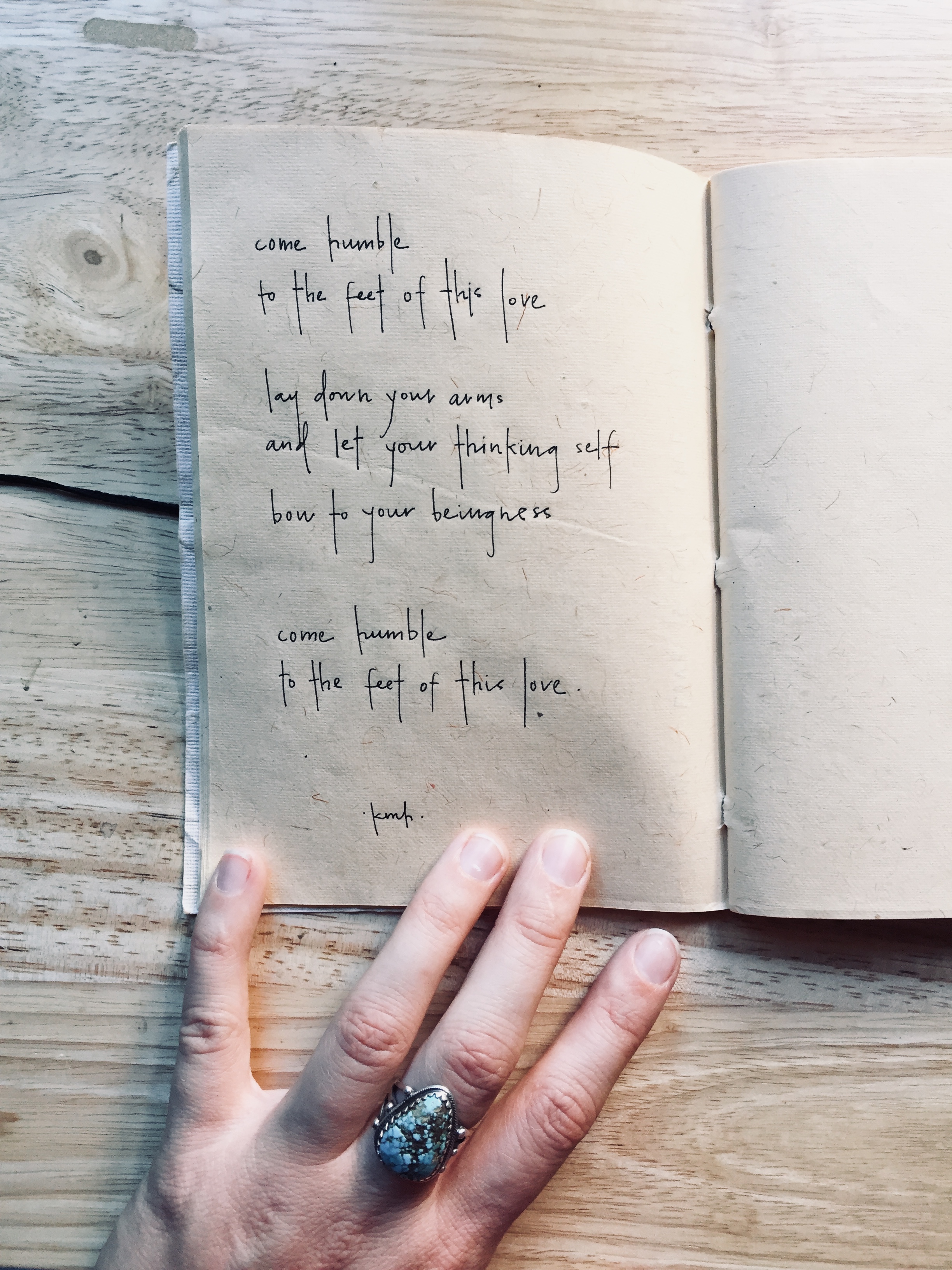


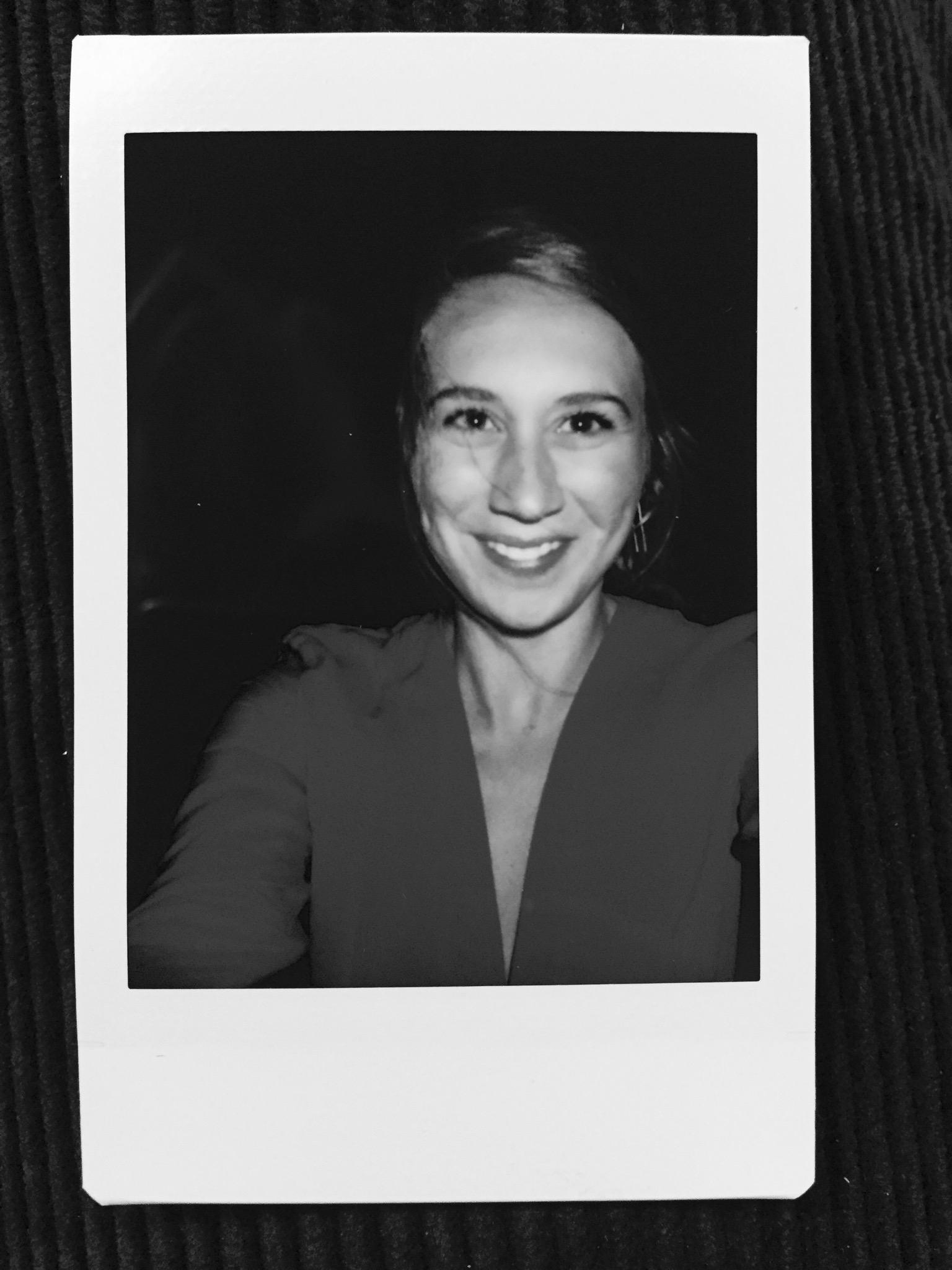
Kate Hoyle is a poet and visual artist from Moraga, California. Her work has been published in Tupelo Press 30/30 Project, The AUDACITY and Smokelong Quarterly. Her five poem series, On America, is currently touring the US and South America on exhibit in U2’s Joshua Tree World Tour. You can see more of her work at katehoyle.com
They Are Folded Into Gatherings • Rags Edwards

BY RAGS EDWARD
Papers are selected, painted and torn down. Then they are folded into gatherings for pages.

Harmonious hand-painted materials are selected for applying to the cover boards, inside and out.

Bees wax for the sewing thread, leather straps cut and a hand drawn binding map for guidance.

A luscious bloom of watercolor to illuminate your handwriting.

A stack of my hand bound half sized journals with inset photographs and hand painted paste paper covers.

A stack of my full-sized hand bound journals with leather straps and hand painted paste paper covers.

From hand to bound, pages to contain my every thought.
Artistic Expression is as Essential as Breathing • Mary Fratesi
In this micro-reflection, Mary Fratesi finds delicate words for the most difficult of experiences: watching a loved one in pain. While this piece began as a pairing of two images, which has a fluency of its own, Mary takes us beneath the tree, and between the lines.
BY MARY FRATESI
Expressing my own thoughts pushes me outside my comfort zone. This is a good thing. Looking at these two pictures, you might understand something of the essence, but the context would be necessary to connect the thread for the lived experience.
The building is Northwestern Memorial Hospital, where my daughter is in ICU. I have watched epilepsy nearly rob her of her entire life. The emotions are raw and consuming. I have difficulty pulling cohesive thought together and onto paper.
But I was drawn to their togetherness—the image and these words—as I love the act of writing, for lack of better words. These words are my normal every day writing. I studied calligraphy when in High School. I tremendously enjoyed it and practiced daily for hours. I am often told I am a good writer and seem to produce written bodies of work that often surprise myself. Without question, and speaking for myself, writing and photography are a passion through which I share myself. I tend to keep everything inside, preferring to focus on the needs of others, to help others realize their own gifts and to be their best.
When it comes to expressing the great deal of sadness I have come to accept, I'm flooded with so many thoughts, that I find it tremendously difficult to find the words, in any semblance of cohesiveness. Artistic expression is as essential as breathing.
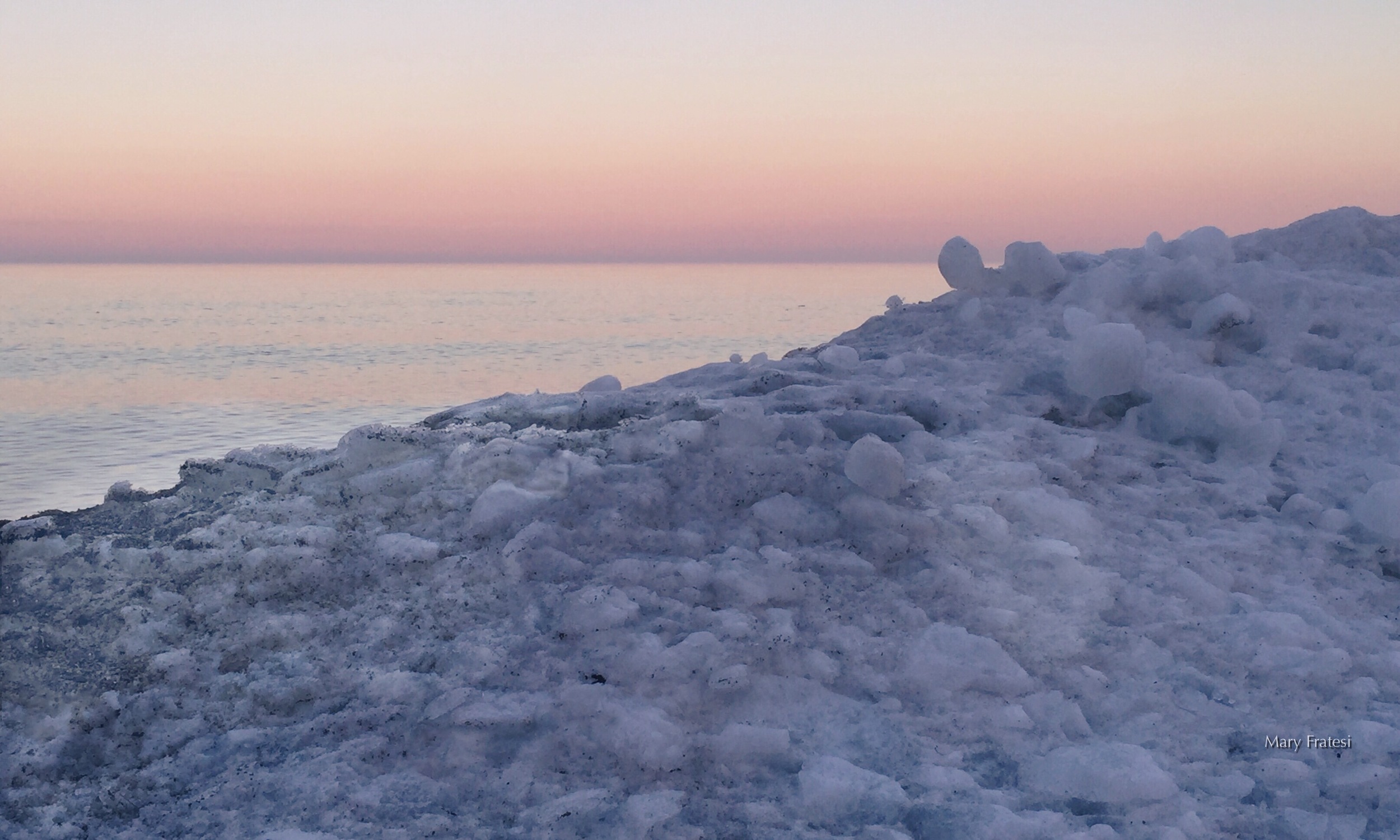
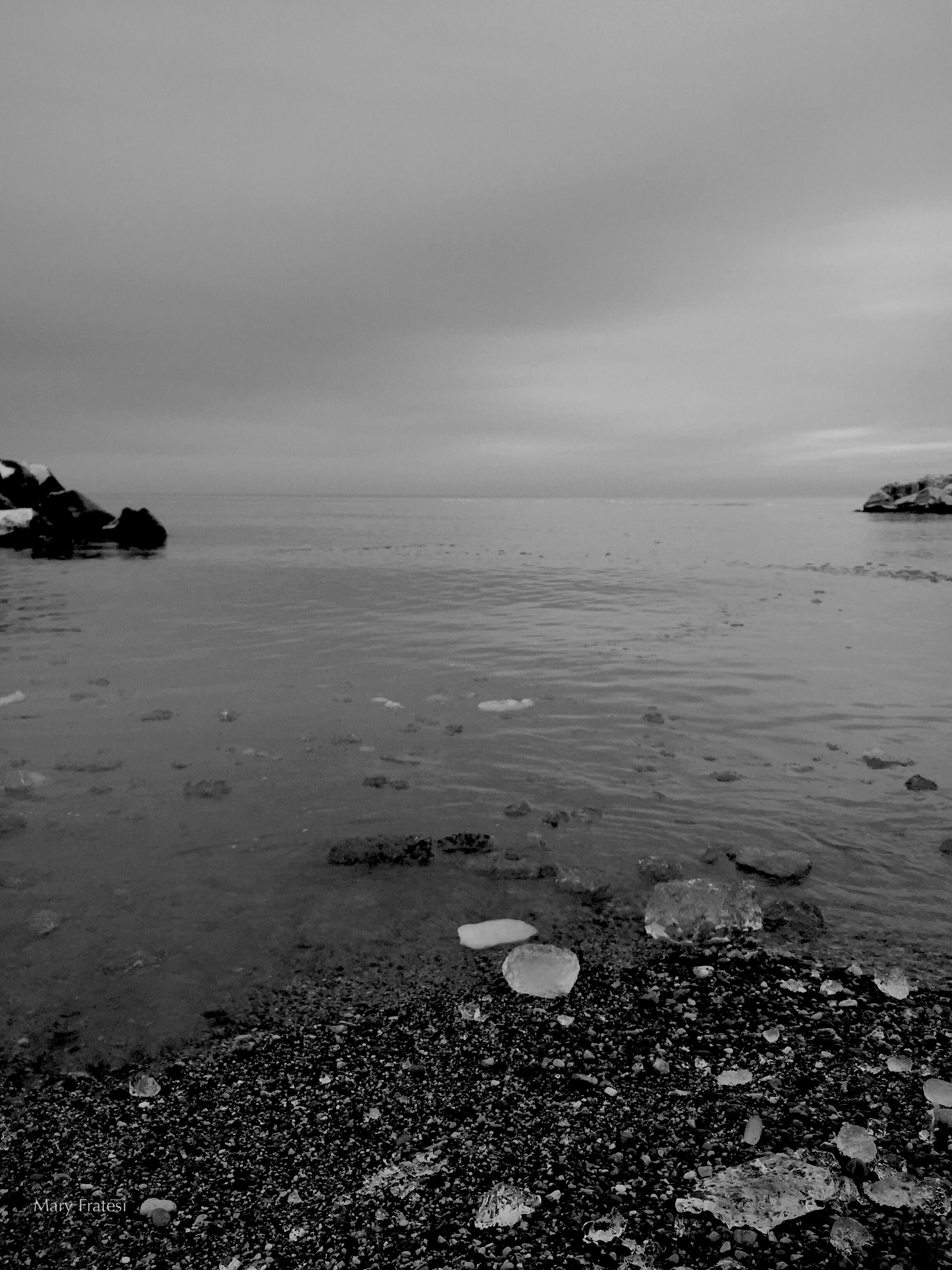
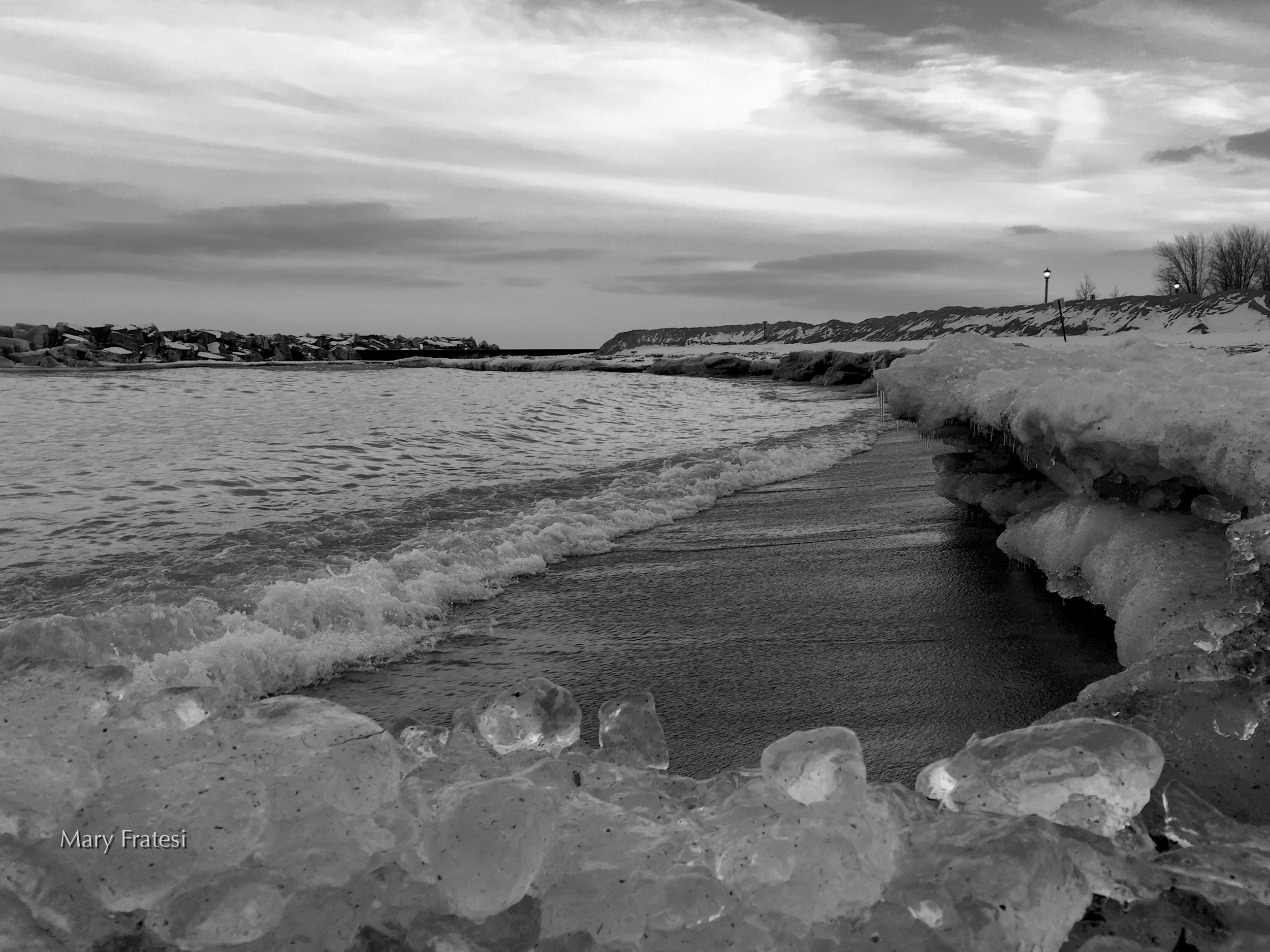
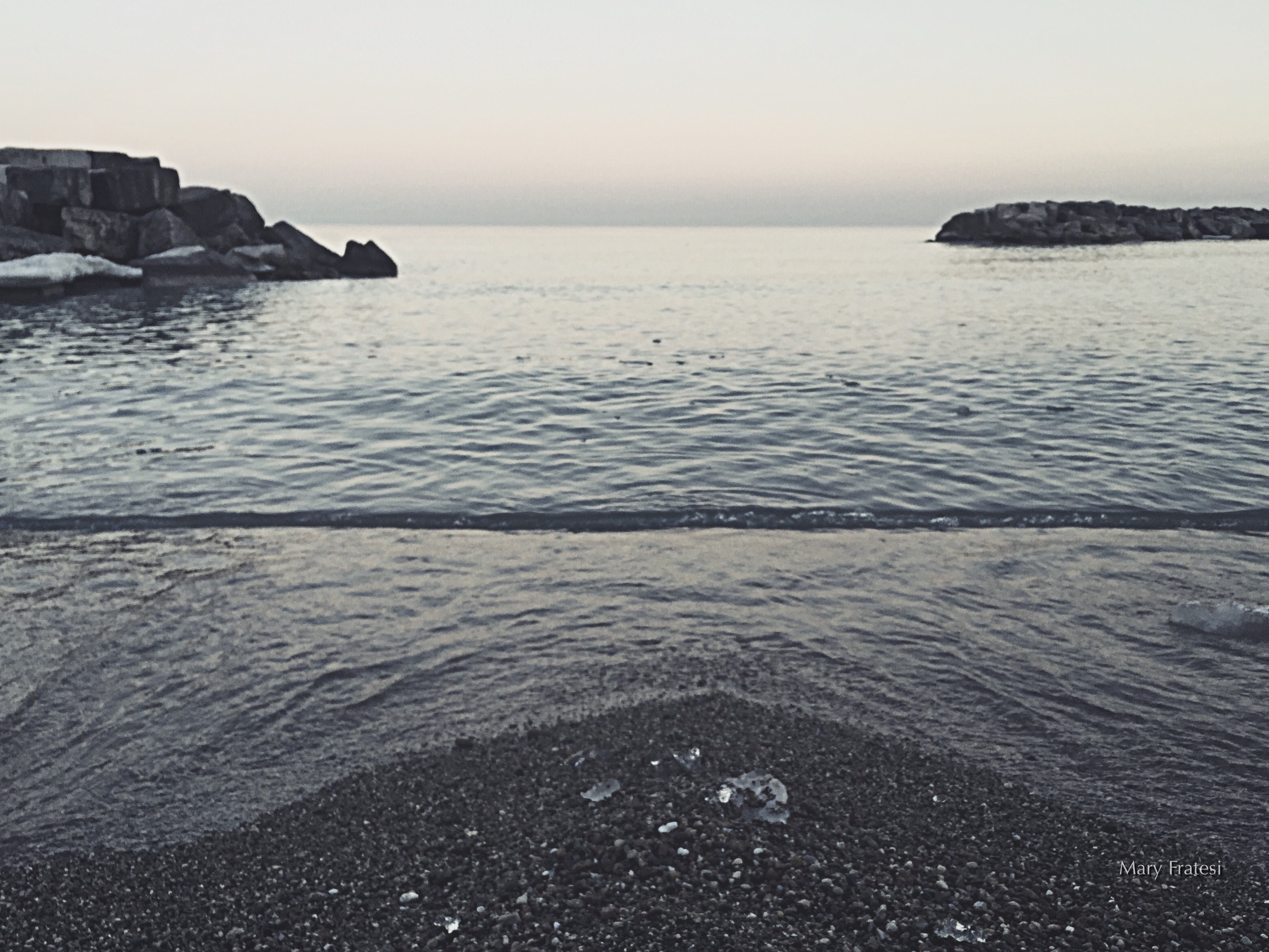


Mary Fratesi recently uncovered this photograph the other day, which is a picture of her practicing calligraphy when she was near 15-16 years of age. In the image, she is in her high school art classroom.
This Diary is Worth So Much More than the Paper it is Written On • Melissa Dundas-Paine

BY MELISSA DUNDAS-PAINE
Our mom was diagnosed with colon cancer in 1989. It was a highly emotional time for our family, as Papa (our Dad's Dad) had just passed in a tragic car crash. Our Mom had surgery and underwent treatment shortly after the diagnosis, but being so close to our Papa, I can only imagine she immediately felt faced with her own mortality. I remember her saying that Papa visited her in a dream and told her it wasn't her time to go yet. She decided sometime between then and her death five years later that she needed to write down the story of how she met our dad, Papa's son, as well as when and why they decided to have children.
But we didn't know this back then. Our dad gave us this handwritten story after her passing. She had also taken the time to type it out, but as you can imagine, the handwritten account tugs so much more at our heartstrings. There is just something special about seeing our mother's penmanship. It evokes so many sweet memories.
She passed while we were all young, before any of us had started dating. But to have this account written by her of how she met our father and how she felt upon becoming pregnant with each of us and about the days we were born is just priceless. These are her thoughts and feelings written for us by her hand. What she must have been thinking as she penned this is just unfathomable. I'm sure she hoped we would be older and that the journal would have been full of more stories, but tragically, it sits less than a quarter full of her handwriting, as her life was cut short at the age of thirty-nine.
This diary, or mini memoir, is a treasure to my sisters and myself, and is worth so much more than the paper it is written on.

Chris & I got engaged on June 10th, 1975. He was so romantic. We went parking by the lake, he asked me if I would be his wife and then slid the ring on my finger. (What a love). One time, maybe a year before this, we were at a hockey game (Flyers). Chris asked me “why do you want to marry me?” I said, “because I want you in my life forever.” He said, “well if I marry you it will be forever.

I remember the night Chris said to me, “I’d like to start to try having a baby, what about you?” I was so excited I couldn’t sleep. It was in March. It took 3 months it seemed like forever. Chris enjoyed the pregnancy so much. We would lay on the couch at night and wait for the baby to kick. All my babies were very lazy, maybe 10-15 kicks a day.
Once A Writer, Now A Handwriter • Demetri Raftopoulos
A writer reflects on his first experience with a journal, which happened to coincide with living away for the first time as well, at the age of 26.

BY DEMETRI RAFTOPOULOS
I forgot my notebook.
It’s 5:30 in the morning and most of Thassos is still sleeping. The sun is hidden behind a couple moon colored clouds, just like the rest of the writing cohort behind their closed bedroom doors at Archodissa. I walk back past the kitchen and up the stairs towards the courtyard where the basil and oregano that is sprinkled into our dishes grows. A group of off-white stray cats lay spread out next to the garden. Their eyes are closed too.
I walk up to the balcony and reach my room. Clothes hanging to dry snap softly on a line extending the length of the balcony. I barge in and retrieve the small beige felt journal resting on my nightstand. My feet crunch against the sand I drag in from the beach every day, and close the door behind me, now ready to open my notebook on a boat that will sail through the Aegean.
Spending a month in Greece, that same notebook was next to me as much as bread was with tzatziki. With me at all times like uncertainty throughout the Greek government. Simple chance brought us together. A good friend gave it to me before leaving and if it wasn’t for him, I would have never clicked down on a pen. I would have never built another relationship alongside all the others formed around me with the clanking of glasses that month.
The notebook became my traveling companion. In a new environment, with new people, I felt safe with it. But I was also in constant need to protect it. So much so that instead of spending my last morning in Thassos on the beach, I sat at the restaurant and transcribed everything I had filled it with onto my laptop, in case something unfortunate occurred. I needed to know where it was always, the few times it wasn’t tucked into my back pocket or open in my hands. It was a friend that always gave, no matter how much I took and took and took.
I wasn’t a hand-writer. But in Greece, I became one.

The water looks dark, like the tip of a sharpened pencil. I grip the blue siding of the boat the way I grip my notebook. We move slowly, a pattern of tiny ripples follow us to the fishing trap Stamatis set last night, but the boat still rocks with the unsteadiness of the water. Stamatis is a fisherman, captain of the Evanthoula, and owner of Archodissa. He stands behind me clutching onto a small metallic wheel that sticks out from above the compartment like his worn-out overalls do over his blue polo. Greek music plays from a speaker next to the wheel and we pick up speed.
“S’Agapo pou eisai oreia,” Stamatis shouts, adjusting a strap falling off his shoulder. “I love you because you’re beautiful,” I repeat to myself, taking a seat on the ledge in front of him.
I wonder if he is singing to the sea, I write in my notebook. The swaying of the boat darts my pen upward and downward. Or if he is singing to his wife, Eva. The word ‘singing’ comes out the sloppiest but I can still read it. I use my thigh as a desk and rest the notebook right above my knee AKIMBO. It’s chilly this morning and the Aegean breeze whispers across my exposed head. I pull my hood up and continue writing.
This is his life: setting traps at night to pick them up in the morning. Sleep irrelevant. And whatever the sea offers him this morning, he will still be singing. Whatever the headlines say about his home’s economy, he will still be fishing.
I flip back to earlier pages in my notebook and admire how much I have already written only into the second week of this month-long writing residency. The pages are filled with sloppily written words as if I wrote them descending King Da Ka at Six Flags but my words are there, nonetheless, engraved into each sheet.
Light begins to creep out from behind the mountain to our left, as if rising like beer poured slowly into a mug.

Stamatis is still singing. His words hit me like the morning wind but stay and land on my page instead.
The captain continues to serenade his home, his sea. He knows these waters better than the fish that swim in them. The boat moves with ease and the music blasts louder. Stamatis is Thassos’ alarm clock. The snake charmer for the sun. The dry entertainment above for those living below. He could be trying to mask the harsh sound of the Evanthoula’s engine. Provide the sea with comfort instead of impending potential capture. Or he could just love the music his favorite singers produce. It could be his constant cheery nature. That he wishes to celebrate his life instead of worry about it.
I click the end of the pen and place it in my notebook’s crease so I can stand for the sunrise. I leave the notebook closed on the ledge and face the mountain, watching it give birth to the sun. The curved arc appears first and the morning already begins to warm. I remove my hood and look back toward the notebook, tempted, but keep my eyes focused on the slowly rising sun.
This will sound a bit silly but my notebook isn’t demanding or needy. Yes, I may write in it constantly but the notebook has also allowed me to live my life separately, away from it’s pages and soft jacket cover. To admire what’s around me alone, and then share the moment with it afterward. To truly capture a moment before putting my head down. Don’t get me wrong, I enjoy sharing. But I enjoy being able to experience something on my own first and then sharing it with others. With my notebook.
The sun is halfway through its entrance and I return to my ledge. I watch the day brighten a little more before opening the notebook again.

“Ti graphis?” Stamatis asks loudly, touching the brim of his blue hat, and then resumes his song. "What are you writing?"
I turn to face him. “Kati yia sena,” I tell him. He smiles and his graying goatie does too. "Something about you."
An orange buoy appears, softly twirling in the water like the final spins of a quarter. The engine and speaker both soften and the boat inches towards its marker.
Stamatis’ beard resembles my father’s, as does his work ethic. I’ve been to Greece before but it’s been seven years since I’ve experienced that sunrise from the blue of the Aegean. With someone like Stamatis, a patriotic man, doing all he can to keep his business and world afloat. The water doesn’t have a rank smell attached to it, like the beaches on Long Island. If anything, it smells like promise. Greece is constantly on display, shackled in the courtyard of Europe for everyone to poke at. It isn’t hidden like that which swims beneath us. Hopefully Stamati will reveal some of his hard work when he pulls up the trap.
In the past, I don’t know how I would have recorded all this. With my phone? Hope to remember as much of it with my fleeting memory? Fleeting, like my presence in Greece. It’s impossible to remember every detail but with this notebook at my side, I’ve been attempting to. Whatever I don’t remember or don’t see, I’ll write into my notebook the next time I’m here. And whatever I forget will be kept alive.
The orange buoy is now at arms reach and the boat slows even more. A couple of seagulls are awake now too, circling the boat for whatever we throw back, if anything. The sun is now completely over the mountain and shines on the rest of the waking Thassos. This is when Stamati will begin to reel in his trap and wait to see what he has caught.
“Re Demetri,” Stamatis says, turning the wheel slightly, “pigene na to piasis para kalo pedaki mou.”
The captain asks me to go pick up the buoy. An honor. He is asking me for assistance, someone who is simply learning in the presence of a master. Stamatis could do all this with one hand covering his eyes and the other flicking worry beads over his fingers. My assistance isn’t paramount to his trip because surely he does this alone. However, he has entrusted me in carrying out a duty that affects the well-being of his family.
I’m still tempted to stay seated and write. To witness something invaluable I could never see elsewhere and fill more pages. Write this scene of him picking up the traps. Write with detail the way each fish looks, how they move, and sound. Describe the definition of Stamatis' aging yet tone muscles flexing with each pull of the trap. How his blue shirt matches the water he’s pulling fish out of. How the mechanized pulley reeling in the trap sounds alongside the rest of the emptiness we are surrounded by.
Instead, I leave the next page blank. I close my notebook, stand, walk to the front of the boat, and reach for the buoy.
The Screen Test • Joyce Chen
Is the notebook half-empty or half-full? In this essay, Joyce Chen sets out to test and trust her hand, a routine tethered to time, with the hopes of avoiding the pitfalls of resolutions by resolving to reflect. Are you up for the screen test?
BY JOYCE CHEN
I’ve never been one for New Year’s resolutions.
Not because I don’t believe in the psychology behind them – God only knows how much I am an advocate for self-reflection and self-improvement – but because I’ve always had a sneaking suspicion that New Year’s resolutions are actually made to be broken. The way they’re worded and thought about almost always sets the resolution-maker up for failure: “This year, I resolve to work out more” (meaning, what? Buy a new pair of running shoes and use them thrice instead of once?); “This year, I resolve to be a better friend” (read: respond to emails in two months rather than four); “This year, I resolve to spend more time with family” (but more time with family doesn’t mean a thing if you’re still plugged into a device while sitting in the same room, right?).
This may sound a tad bitter, sure, but to be perfectly honest, I only feel okay making these jabs because I’ve made these resolutions before, and by that same token, I’ve also failed at these resolutions before. There’s something exciting about starting a new calendar year that nudges our inner navel gazers awake to notice our shortcomings and attempt to remedy them with a promise to “be better.” But what I’ve come to discover over the years is that while New Year’s resolutions are always well-intentioned, they are often more about finding a temporary, band-aid solution to problems than actually digging deeper to get to the core of the issue.
A desire to work out more, for instance, might stem from guilt over poor lifestyle choices (ie. late nights, fried foods, overindulgence of all kinds), not an actual desire to exercise more. The resolution is less about running and lifting, and perhaps more about thinking about and taking control over our daily routines.
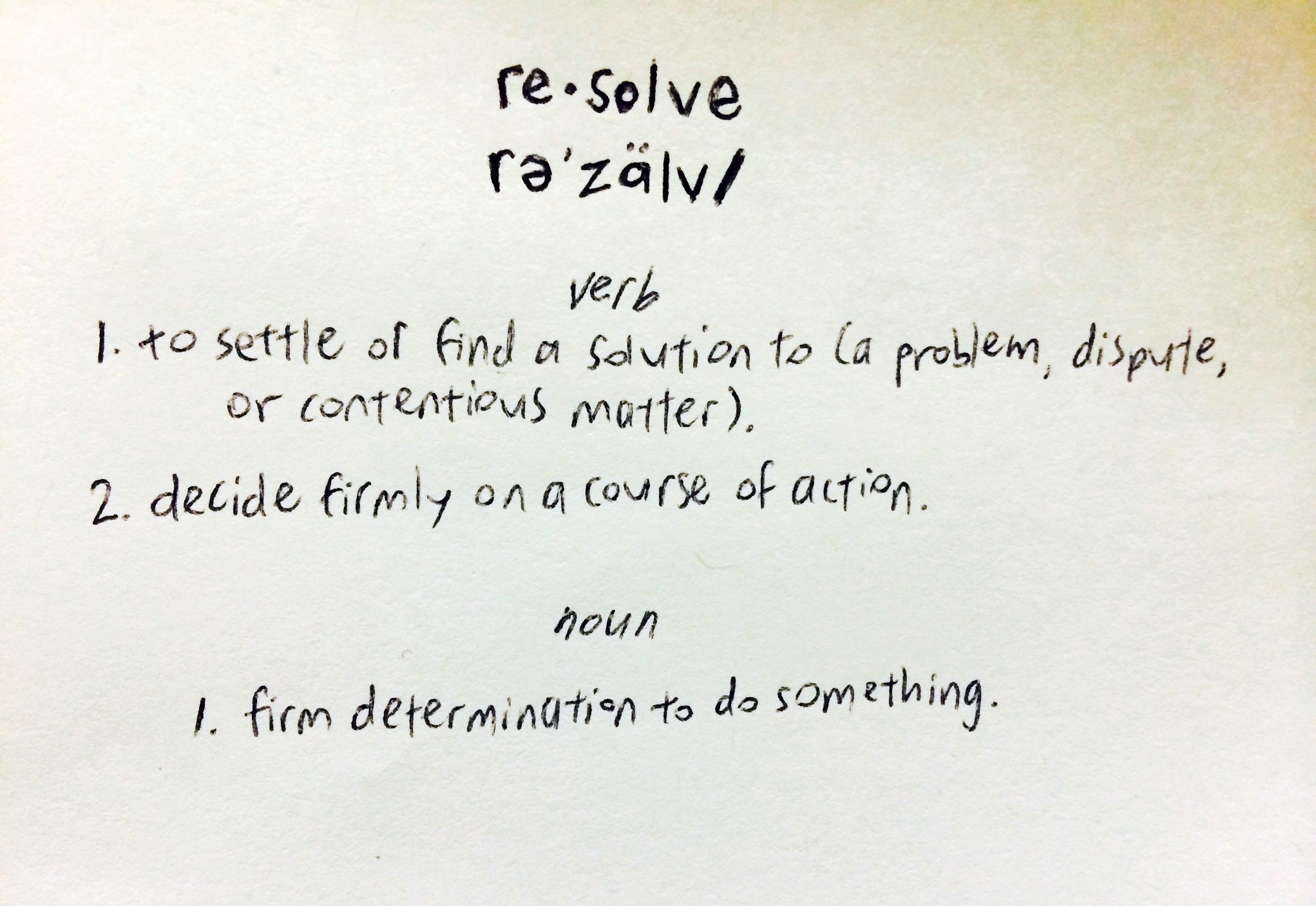
To that end, then, I would rather have resolve (n.) than to resolve (v.), because my goal isn’t to reach a conclusion right away; no, I want to understand my own process as it is unfolding. I would rather have the noun in my back pocket as a reminder than the verb in my front pocket, at the ready for a quick-fix solution. So this year, instead of a New Year’s resolution, I decided to have an anti-resolution. A plan to test my own willpower by opting not to do something that has become dangerously habitual to the point of dependency: stare at a screen all day.
I realize that as I am writing this, and as you are reading this, we are both staring at a screen – and that’s just fine. So to clarify, my decision to not stare at a screen is less a dramatic political statement and more a modified lifestyle choice, an experiment: Between the hours of 10:30 a.m. and 10:30 p.m., I allow myself to carry on as I always have – answering emails, scrolling through headlines, and laughing at silly GIFs. In those 12 hours, I feel connected to the greater community of the Interwebz, corresponding with friends halfway around the globe, pitching ideas to editors in other states, and engaging with a community beyond my immediate line of vision; I am in a digital portal and can free-float through both time and space.
And beyond the computer screen, I also allow myself to get lost in my iPhone, in the TV screen, in a number of other electronic means of communication; I express myself in words and emojis, and absorb new thoughts and ideas in the form of the news, news feeds, TV shows, Instagram, Facebook, Tumblr, Twitter. The sea of garbage, as a professor of mine once called this vast ocean of information, is alive and pulsing during those 12 hours.
This is what screens have given us, after all: a means to access other people, places, thoughts and head spaces, from wherever we happen to be at a given moment. And I am grateful for the distractions, as we all likely are, because that means that we can sometimes push aside the more immediate tasks at hand in favor of temporary escapes. But there is a threshold; there must be.
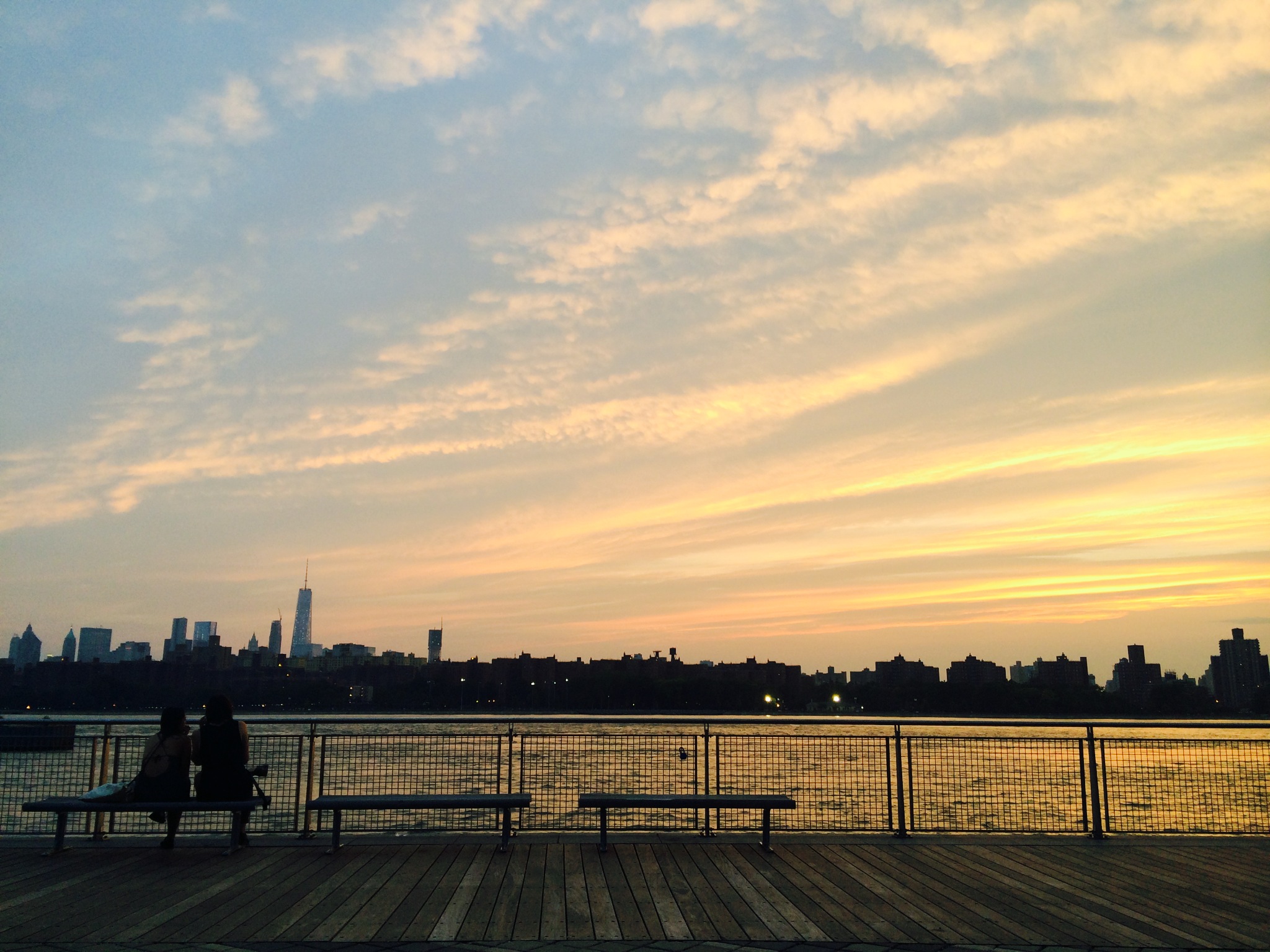
For me, that was last year, when I realized I was checking my email first thing in the morning and watching shows and films until I fell asleep at night. There was this feeling of dependency, of addiction, a light-bulb moment realization that I was literally spending all my waking hours as a slave to my many screens. I wasn’t getting good sleep, and I wondered sometimes if it was because my brain was going through withdrawal from not having a backlit device pointed straight at it during the hours I slept.
I realized that part of the problem with always being plugged into a device was that I was hop-scotching from distraction to distraction and was therefore not always quite here, the physical space I was occupying. And this meant, as a result, that hours and days and weeks and entire years were flying by without my ever having really experienced what was happening in the moment at the moment. I was living life in retrospect.
And that was a problem.
So though I still take part in the digital sphere between the hours of 10:30 a.m. and 10:30 p.m., these days, I’m opting to spend the hours prior to and after that off the grid a bit, focusing more on the who and the what of where I am during that time. Unplugging is the how. To experience life more vividly and fully is the why.
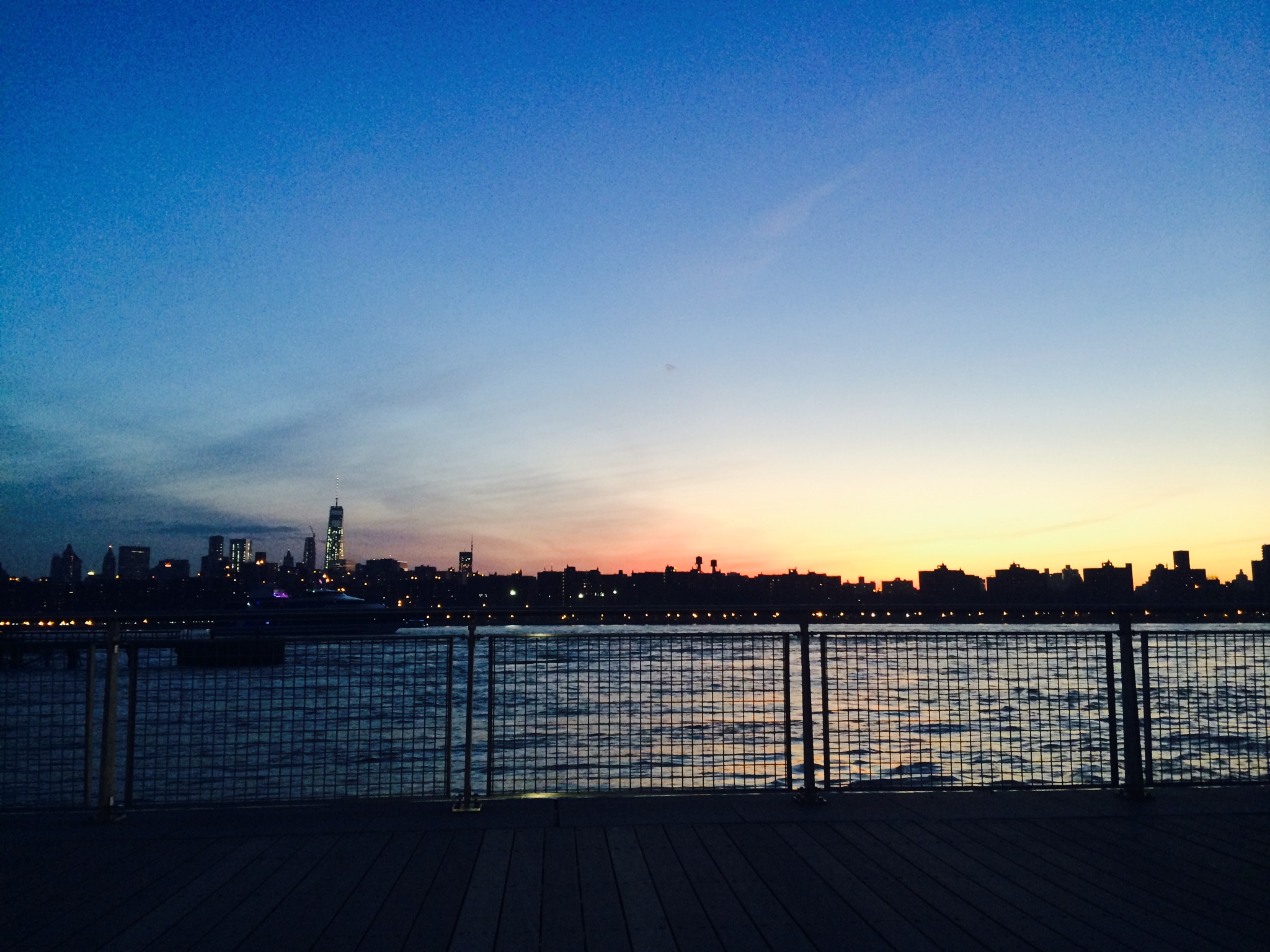
During those hours, I meditate and I think and I read and I write a lot (by hand, of course). There is a kind of stillness and peace I find in not being in front of or dictated by the influx of information found on a screen. It’s a feeling that I had long forgotten, and would most likely have continued to forget, if I hadn’t taken a step back and realized how my days had become inundated by thoughts and demands not my own. Being separate from the screen is giving me the luxury to do something I never thought I’d be able to do in this digital age: really hear myself think.
In the beginning, it was always tempting to cheat and take a quick peek through my phone in the morning just to see if there were any pressing emails or Facebook notifications or Instagram likes that took place overnight. But because I had given myself these rules and parameters, I felt a duty to keep myself in check, lest I disappoint myself with my own lack of willpower. I started to analyze that temptation, observe myself in third person during those morning handwriting sessions, and realized that much like Pavlov’s dogs, my instinct to check my inbox was more about the reward of attention (“so-and-so has replied to your email!”) and importance (“inbox: 52 from just one night? People really need to reach me”) than from an actual need to know information.
I am now finding that in those hours away from the screen, I am able to engage more fully not only with the present moment but also with myself, so that I know how to better navigate through the treacherous technological waters (and, to a certain extent, through social situations at large).

Now I write waterside, in cafes, in my room, in outdoor spaces that aren’t constrained by lack of wifi, outlets, or table-space. All I need is a pen, a notebook, and my fully focused mind. It is freeing.
Call it a reintroduction.
I feel more in touch with and honest with how I’m feeling because my thoughts are not as cloudy at the beginning and the end of each day, and I am starting to be able to translate some of that clarity into my daily living as well.
Call it a recalibration.
I sense myself being more selfish with my time and more careful in how and with whom I spend it.
Call it a reassessment.
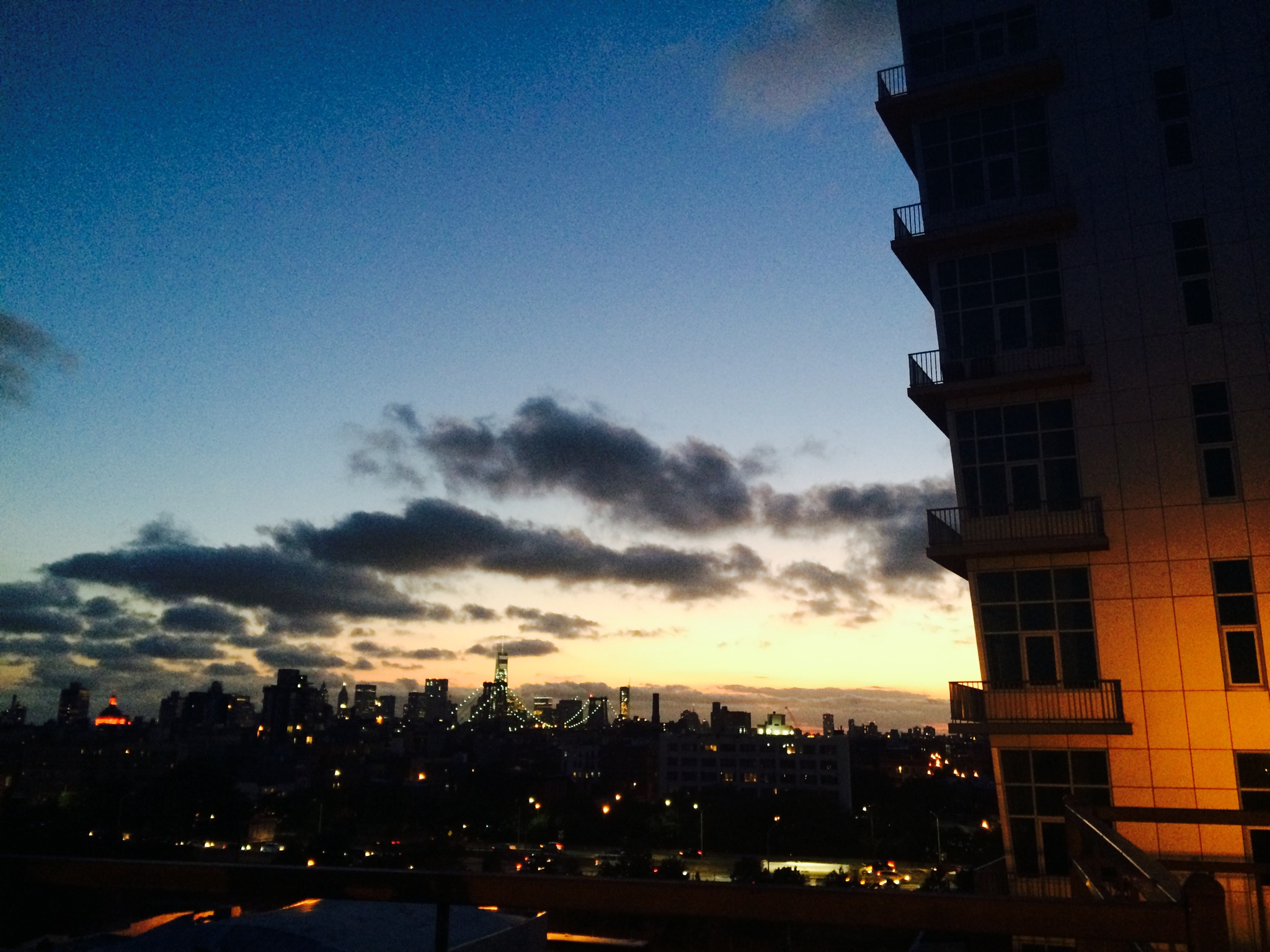
The way I see it, we already segment our lives into so many distinct compartments based on how we spend our time anyway: family time, work time, free time, leisure time, personal time, social time, food time, sleep time, and on and on and on. So why not look for new ways to section off hours of the day, to break down previous habits and routines and build something new and perhaps, hopefully, more sustainable?
I’ve never been one for New Year’s resolutions because making them is, I think, a way to feel the thrill of a personal promise without any real commitment. Being more physically active, communicating more with loved ones, and reprioritizing our actions and activities are all noble pursuits, but what all three require above all else is a space and place to really explore the reasons why we want those things. And for me, I’ve found that space and place in my hard-won now, and I want to hold onto that feeling.
Every year, in place of a New Year’s resolution, I like to think of a single word to hold in my mind for those times throughout the year when I start to lose focus. In 2013, it was Create. In 2014, it was Trust. This year, 2015, I decided that my word would be neither verb nor noun, but a state of being.
In 2015, I have resolve: I am Awake
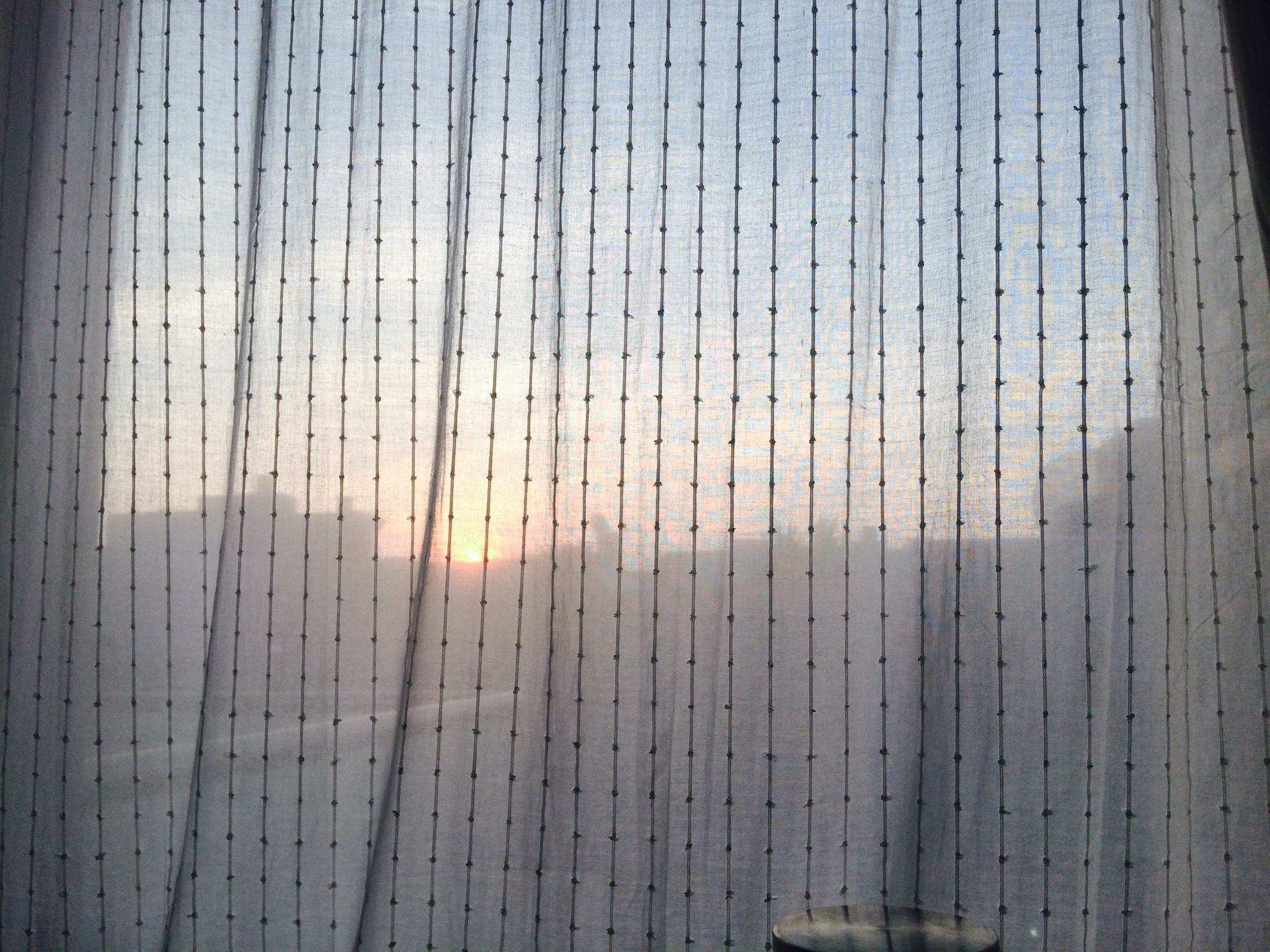

Joyce Chen is a handwriter in Brooklyn. She is also a journalist who thinks she spends too much of her time staring at screens - writing for print and the web, watching and reviewing films, and sending strings of emojis to family and friends. When she's not plugged into the World Wide Wonder, she can often be found out on unplanned runs throughout New York City, taking long walks along the waterside, or otherwise stretching her legs and getting out from the great indoors.