The Handwritten Holidays
BY HANDWRITTEN
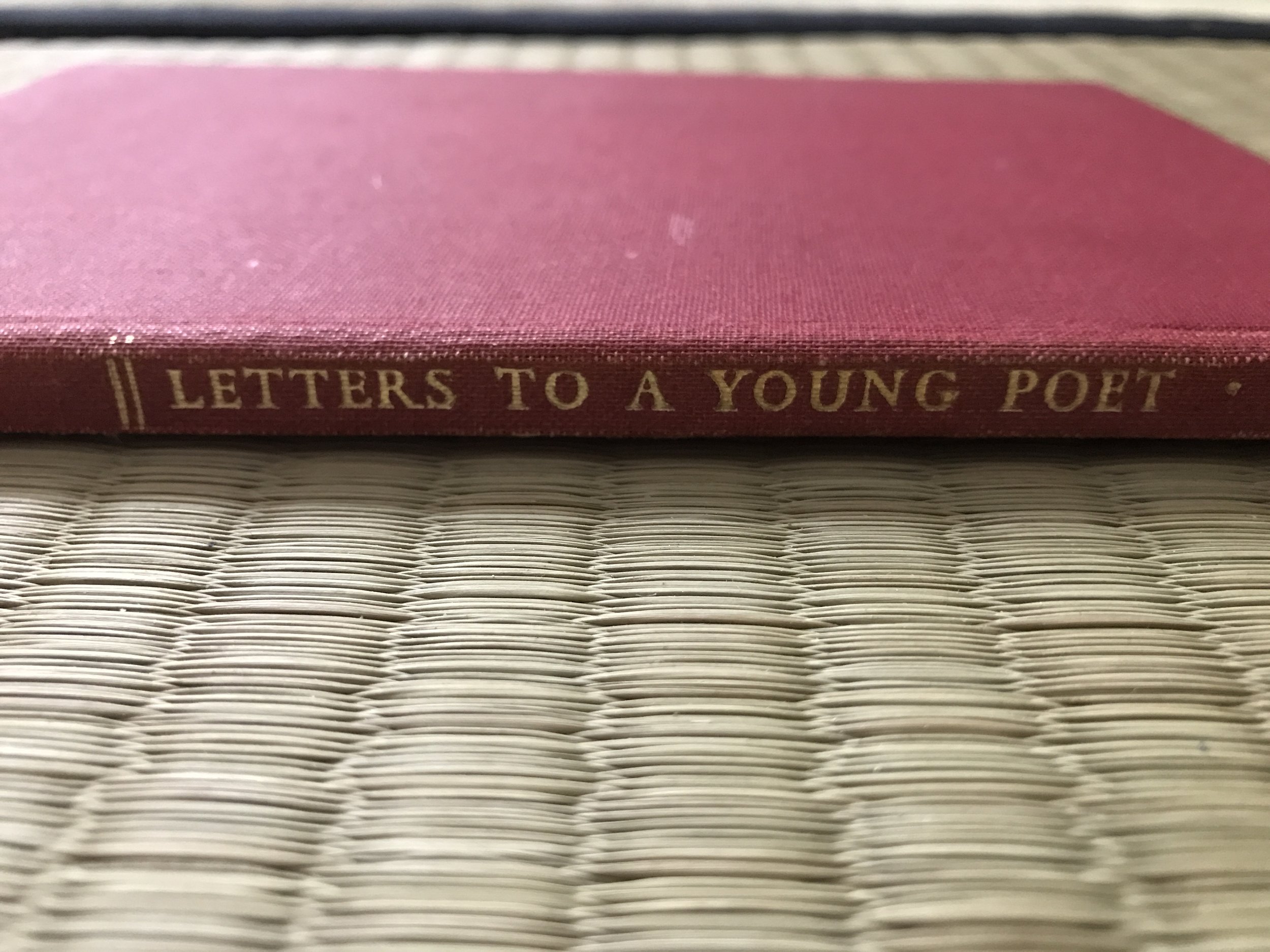
In Bird by Bird, Anne Lamott states that Monday is the worst day to write, and that December is a month of Mondays. While it is about the external elements (the shortened days, raging rivers of street slush, broken radiators, etc), the struggle takes place indoors, or, inside the mind. Emily Dickinson used to refer to these nights as "evenings of the brain."
This year, we were prepared. We purchased a sunset lamp, a crock pot, and, hiding throughout the apartment, we've stashed unopened bottles of Two Buck Chuck. #grapesofwrath
Speaking of books, that is really how we get through December, and the rest of the winter months. With a little bit of time away from work, we'll soon be retreating to the woods with a stack of books, blank journals, envelopes, and stamps. We thought to share with you some of the things we'll be bringing with us. First are a few titles that have little to do with "handwriting" per se, but speak directly to us as hand-writers, for they address the thin lines between great divides:
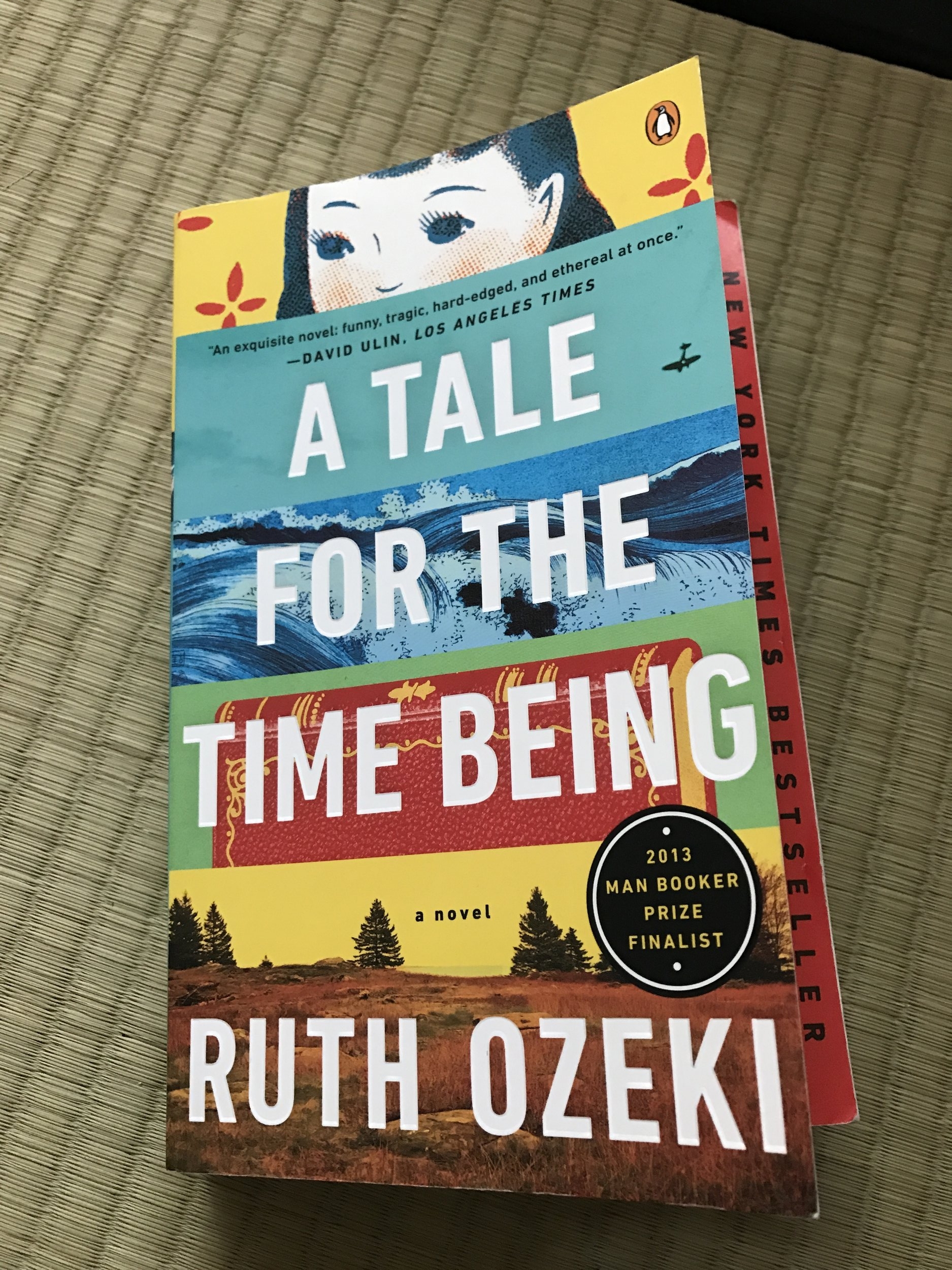
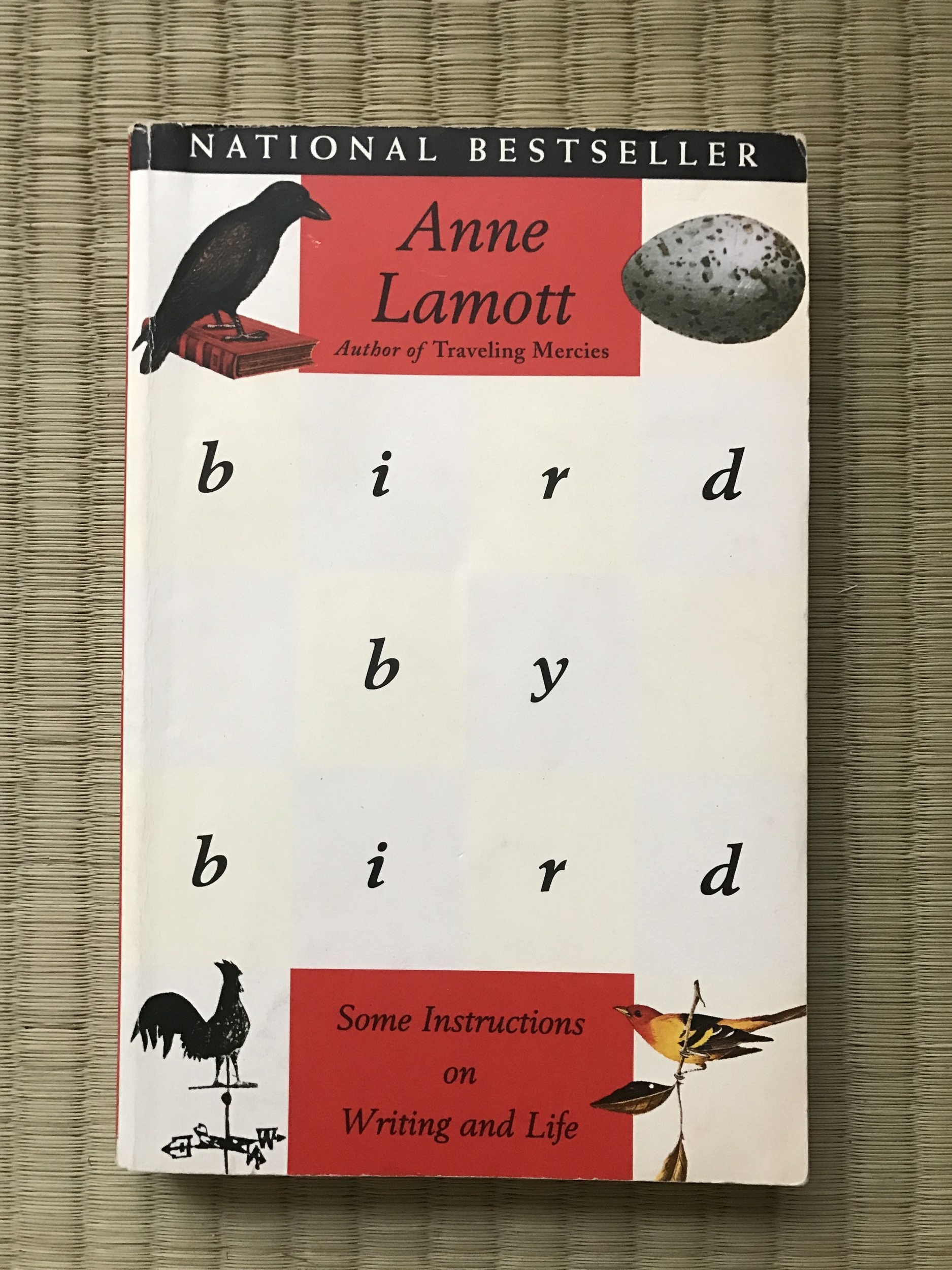
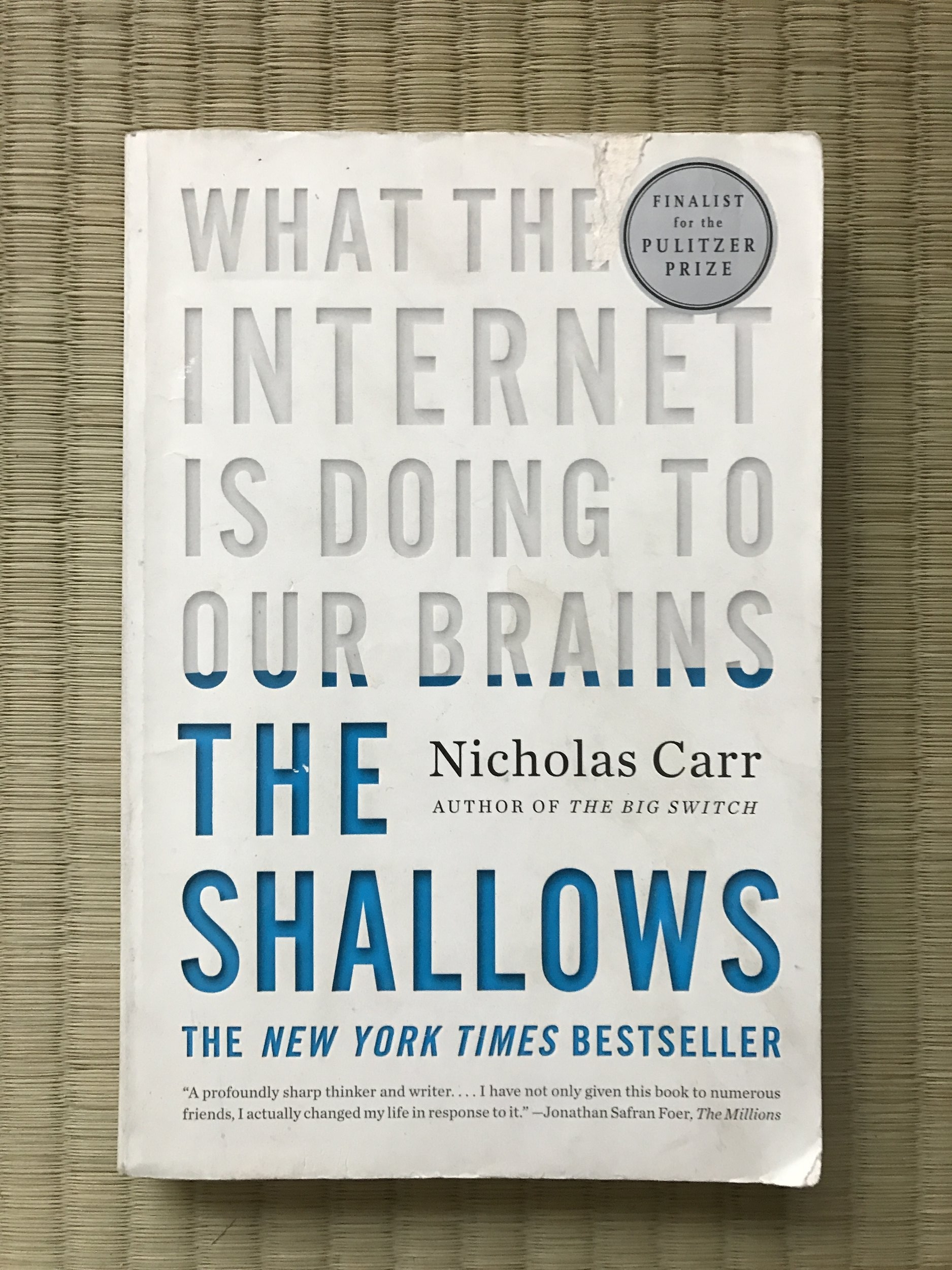
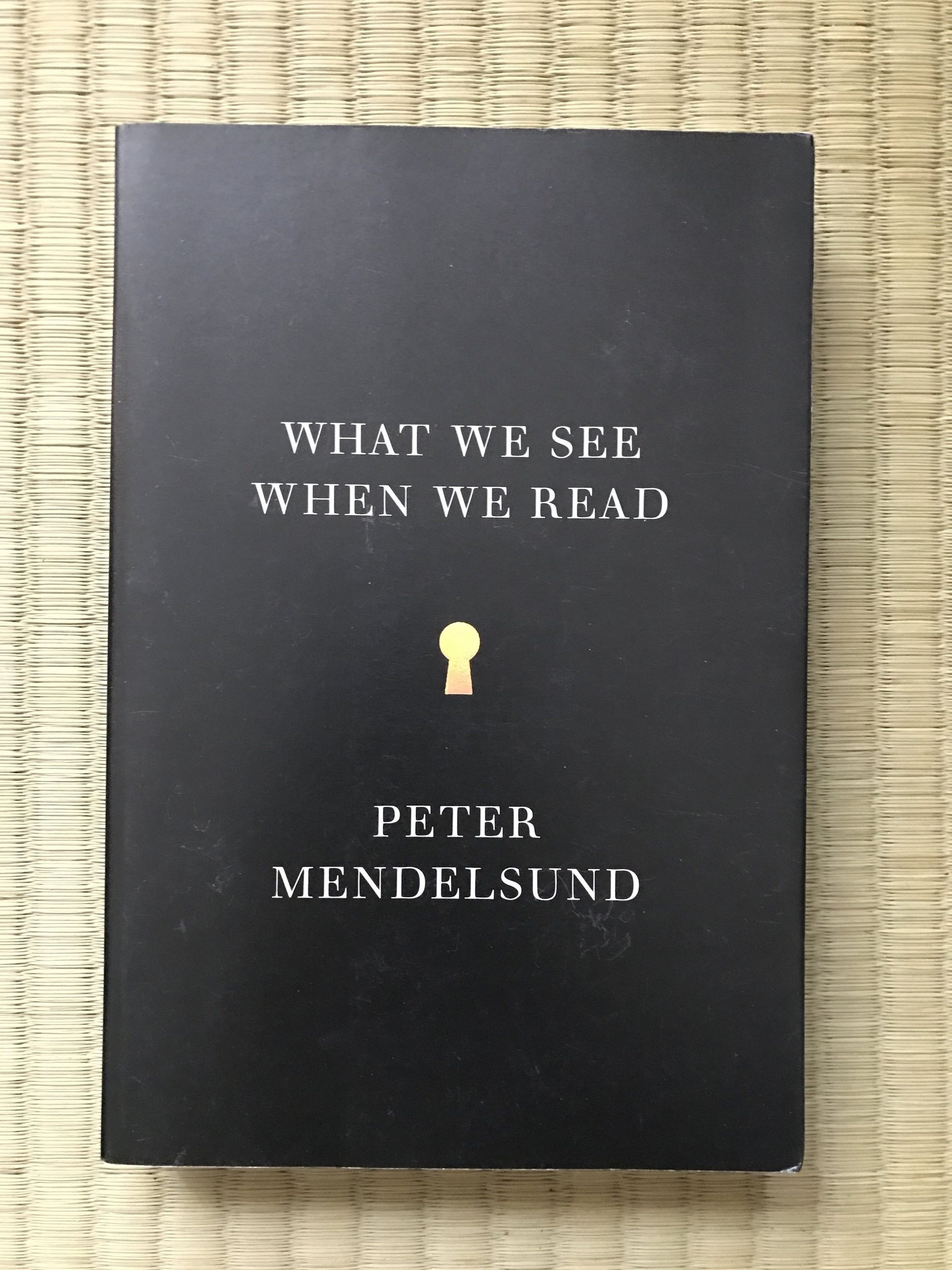
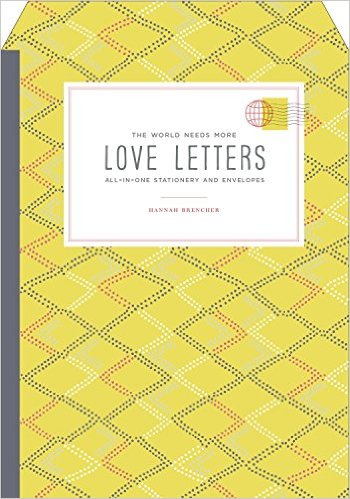
For those of you who want to jump into the deep-end of the handwriting pool, these are some great diving boards. Two notes: first, we highly encourage you to pair together Brencher's memoir with her letter writing stationery kit, as we heart everything she does; and second, The Assassin's Cloak anthology is particularly wild because it's organized by date, and so for a big chunk of our last year, we would read the entries from each day in the morning to get us going. February 6th was particularly enlightening, as there were entries from 1769, 1881, 1922 and 1941.
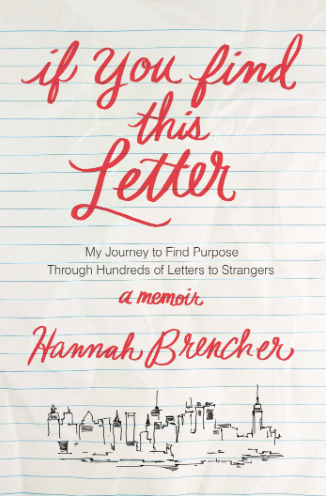
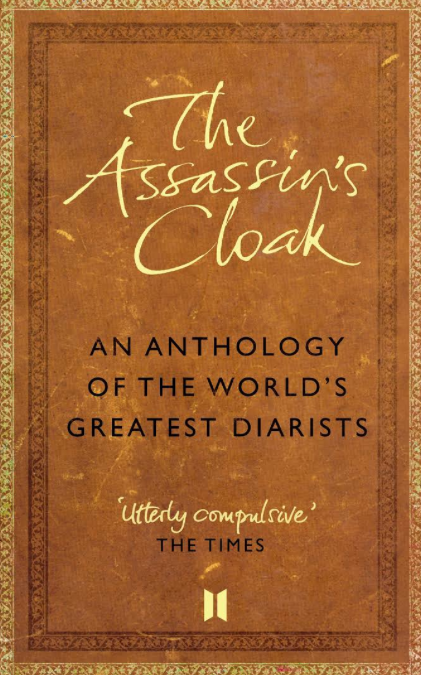
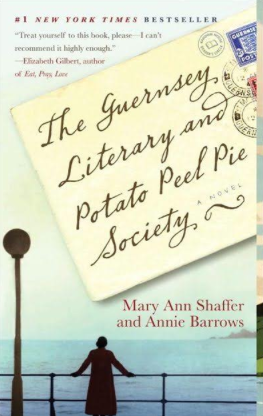
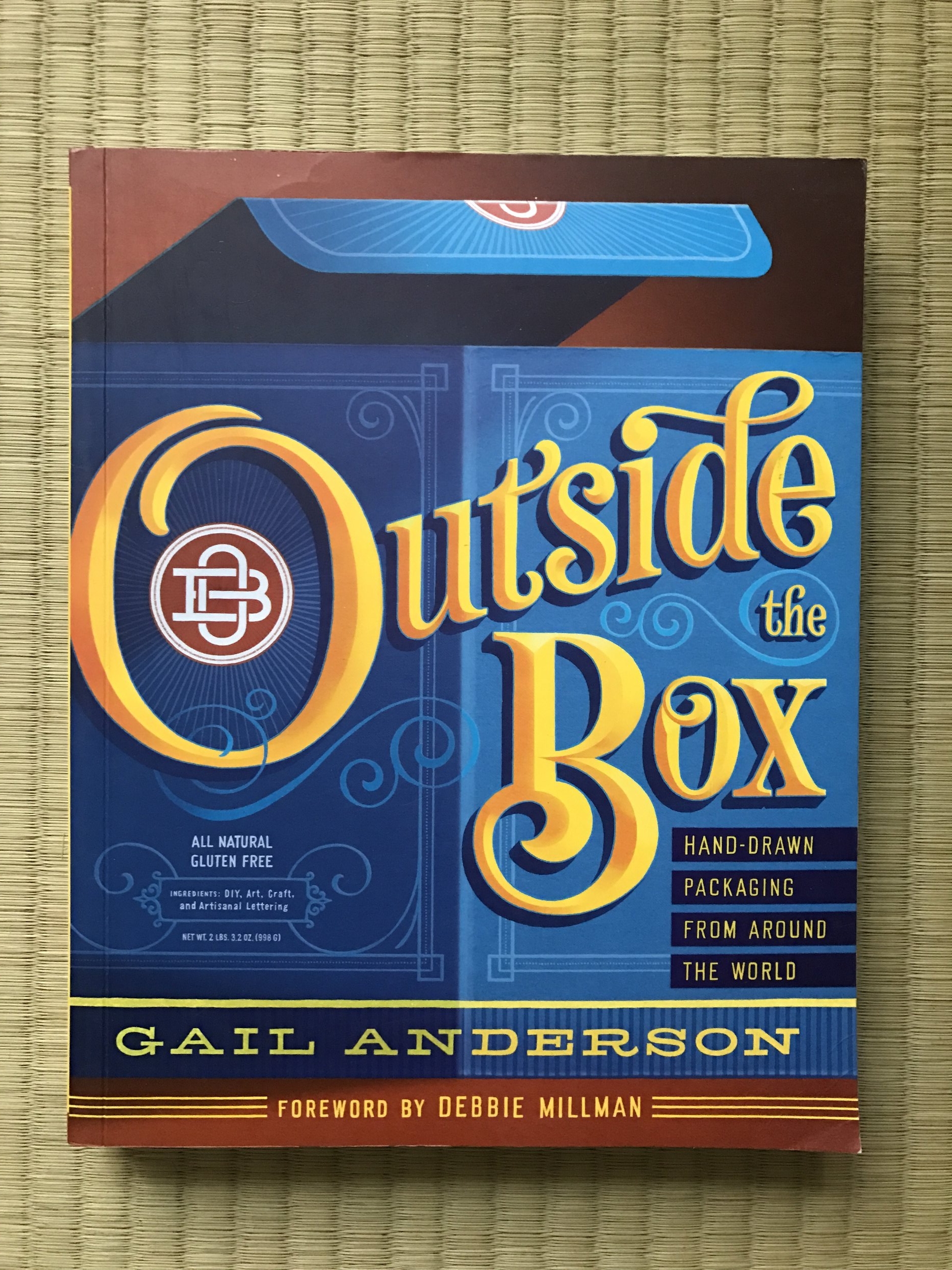
If you're looking for a gift, we recommend the below art objects. Inspiration is guaranteed. Whenever we feel a little bit of pressure mounting, we crack open these covers, get lost in their letters, and a few daydreams later, we're back to the page.
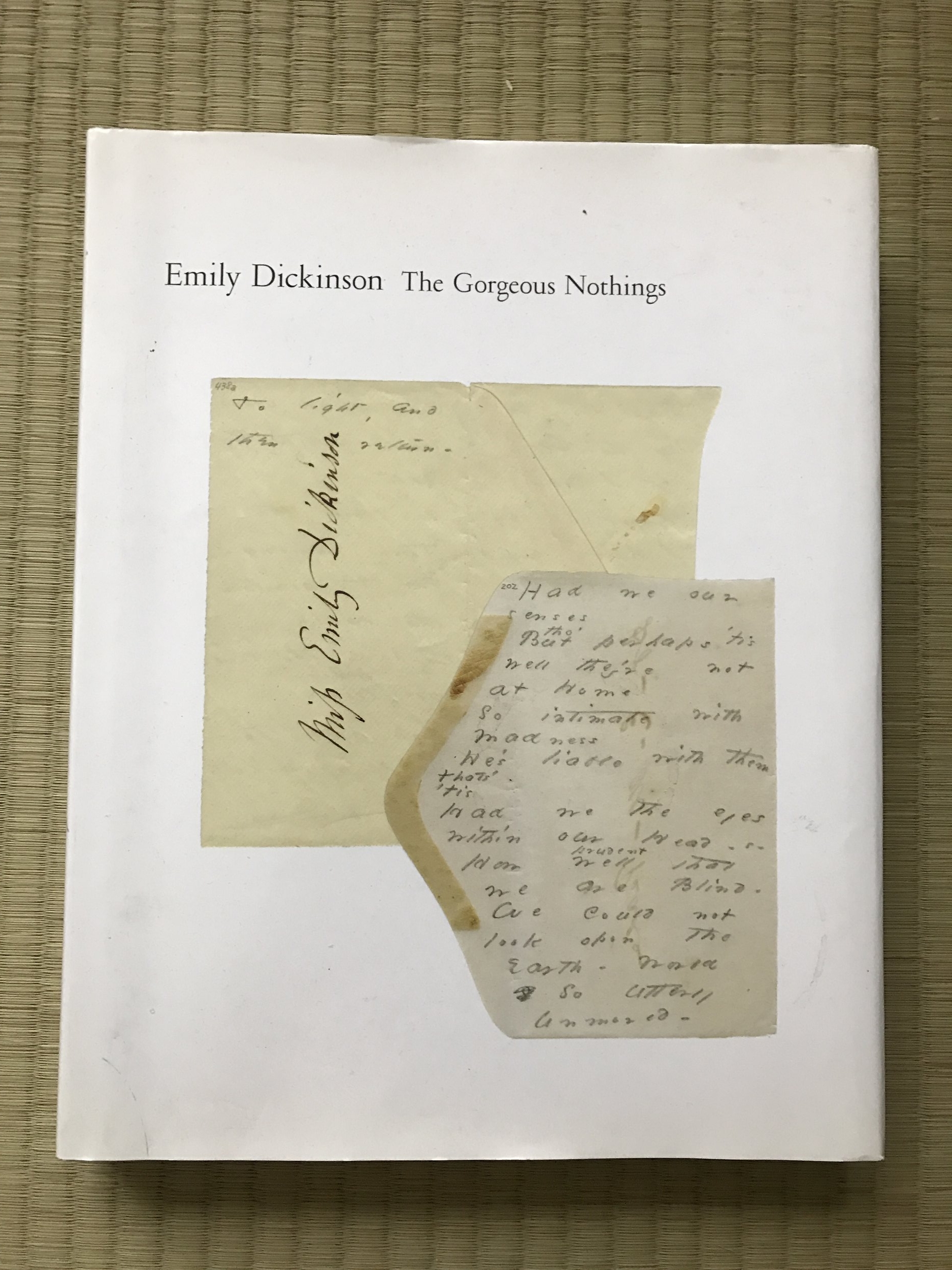
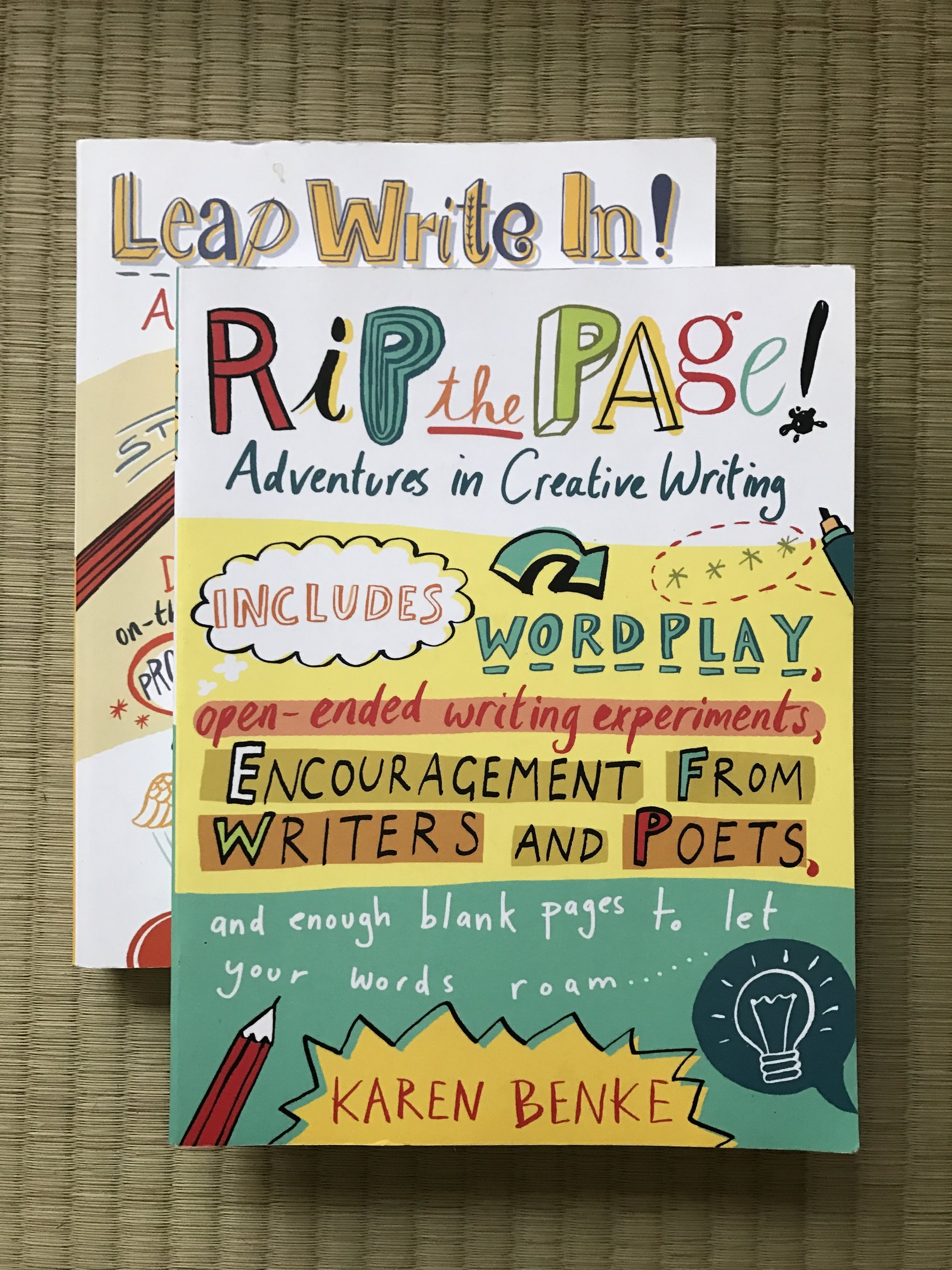
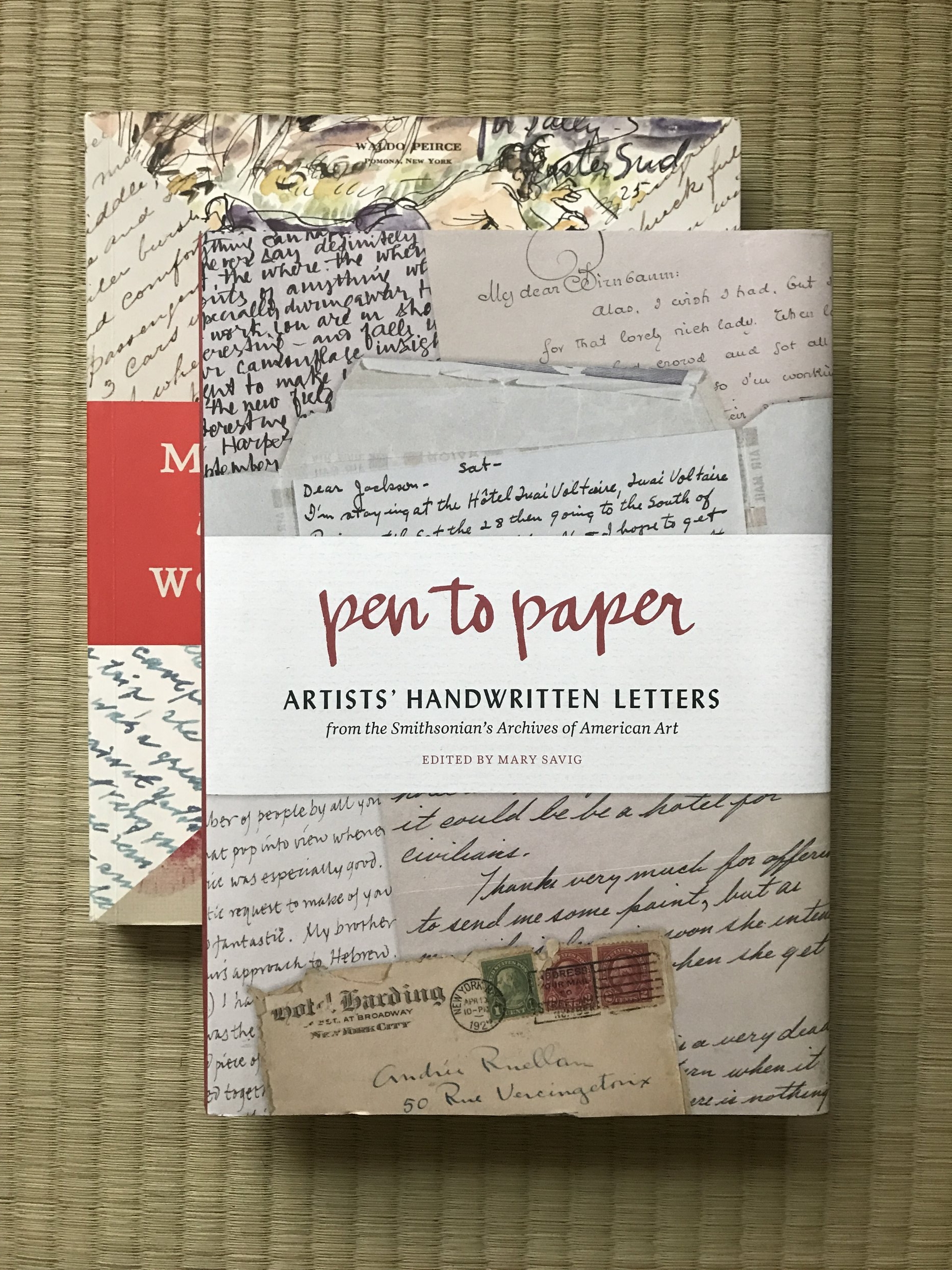
Lastly, if you're looking for something to write in, here are three ideas to get you, or someone you know, writing:
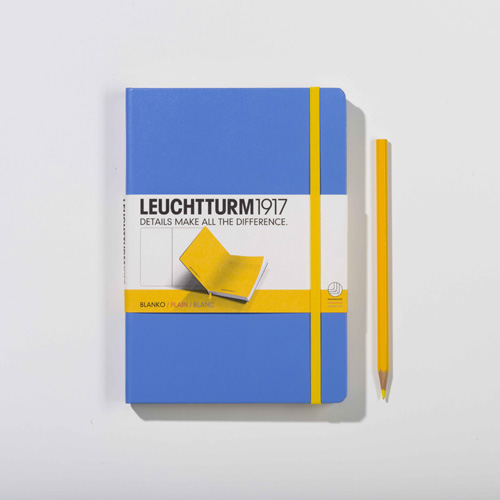
The medium-sized hardcover notebooks from Leuchtturm are a new favorite of ours — and not just because their cheerful, mod two-tone covers (“biColore”) are an antidote to the winter grays. With numbered pages, a table of contents, and supplemental stickers for archiving and organizing, you feel like you’re writing a real book as you scribble towards the 249th page finish line — which is some 100 pages longer than most similar style journals. There’s a gusseted pocket for stowing paper ephemera, and an elastic band to keep your words tucked in at night.
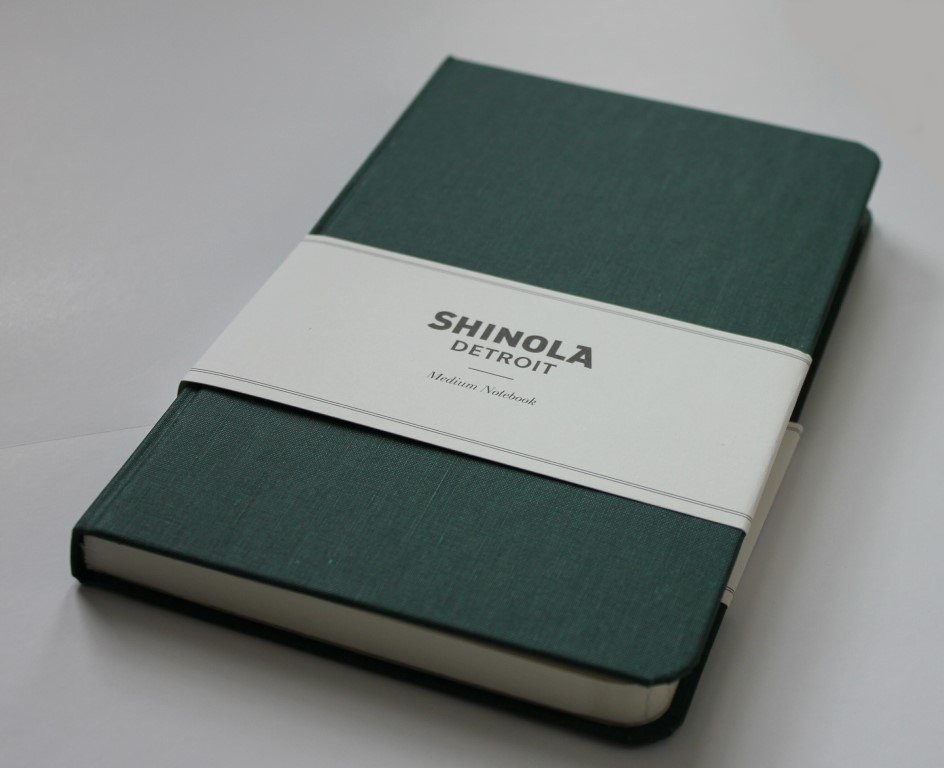
The Shinola Detroit notebooks are manufactured by Edwards Brothers Malloy — a family-run printing business that has made books and journals since 1893, and which employs more than 900 people in Ann Arbor, Michigan. As their mission statement goes, Shinola respect the evolving nature and power of the handwritten word, and aim to "uphold the art of putting pen to pad and preserving communication.” The Smyth sewn binding method used not only allows your notebook to lie flat when open, but it increases its life expectancy and durability. They come in a bunch of different sizes, colors, and material groups — the linen options being the best to cuddle up to.
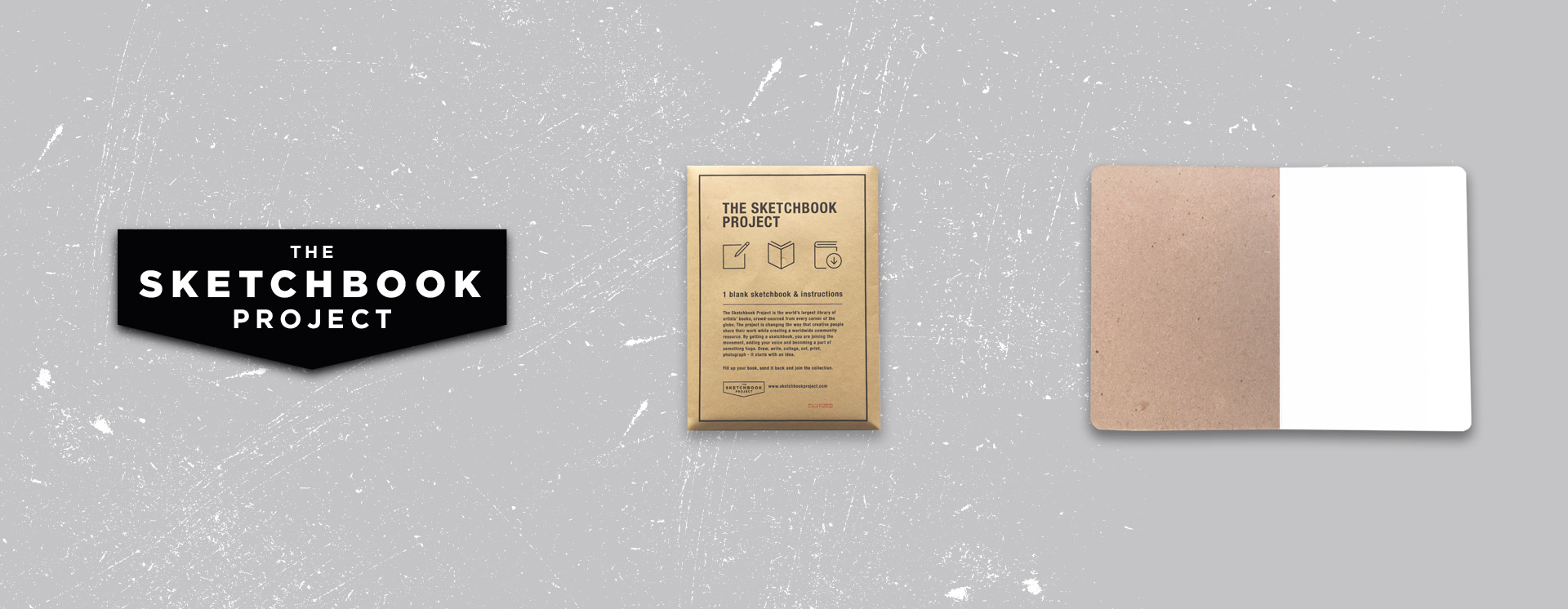
But if completion is important to you, then check out the sketchbooks from our partner in the pen, The Sketchbook Project. You have one year to complete this blank little book. Though, time is running out, so click your way into a great activity by checking out their offerings on their site.
Lastly, Happy Holidays, everyone. Stay safe, keep the beautiful pen busy, and be in touch.
No Writer Should Live in Fear • Justin Sherwood

The instagram does not exist. In it, a patch of white-gray sidewalk frames a loose circle of dead leaves. In the top left corner, the curb of the road. At the center, yellow graffiti. The graffiti is a crooked arrow pointing into open space, and next to it the words FAG PARKING. You can tell from the way that FAG is scrawled the graffiti first marked something else, that when the text was painted it wasn’t graffiti at all. There are other signs nearby: a pink flag, some white tubing. But there it is, revised: FAG PARKING.
I came across the parking space on a run. On shorter runs, anywhere from 30 minutes to an hour, I perform the same loop. I run from my apartment on Ditmars Boulevard to the northernmost avenue in Astoria, then west to Astoria Park, around the park, back to the avenue, and home. I’ve run the avenue hundreds of times. And then this drab, fall day, as I near the top of the hill that marks its middle, I find the inscription. I must have been sensitive that day. The sky was clear and pale, the wind was calm; I’m full of pride, I’m well adjusted. And yet. FAG PARKING. I feel that hot and unmistakable pang: shame.
And then I think, let this be funny. I’ll capture the image and say, “If you’ve ever tried to find parking in Astoria, you know how considerate this is.” The day passes and I go for another run. As I crest the hill, I keep my eyes peeled for the graffiti. I must have missed it—I’ve passed the place I know it to be. I’m nearly in the park and there’s no sign. I make a small circle, run back up the hill, nothing. I stop at the top to catch my breath. Another sideways glance, then down.


Justin Sherwood's poems and essays have appeared in Women's Studies Quarterly (WSQ), New Criticals, H_NGM_N, and The Poetry Project Newsletter, among other places. He's also a contributor to Scout: Poetry in Review. He teaches at The New School, where he received his MFA in Creative Writing. Find him on Twitter @JustinSherwood.
I Wanted to Build a Universe • Tonianne Bellomo
What happens when it's not just you, the writer, who struggles with the screen, but your characters? In this lyric essay, Tonianne Bellomo walks us through the negotiations she makes with her characters. What does she do to bring them to life? She builds them paper homes.

By Tonianne Bellomo
I wanted to build a universe.
I wanted to write stories like the ones that made me forget reality. I wanted to build worlds from letters. I wanted to draw in the margins and give readers a glimpse of the realms that rested behind my eyes.
I can’t do that on a computer, at least not at first. There’s no highlighting, scribbling, pasting, scratching out, ripping. There are just clean white backgrounds, perfect font, and the tapping of keys.

That is not world-building; that is a job.
The novel I’m editing is rough, probably in every sense of the word. It sometimes gets so dark that I forget which way is the way home, and I find myself suffocating.
It makes it hard to write.
The computer makes it worse. I feel like I’m cheating. My characters hate it, too. It’s like they refuse to be slighted, refuse to be clinically typed in perfect Times New Roman onto my computer rather than scrawled in a bastardization of Catholic school cursive. They’ll just stand at my mind’s door, arms crossed, heads turned away like I’ve insulted their mothers.
So, I give the characters what they want.
I give them paper homes.
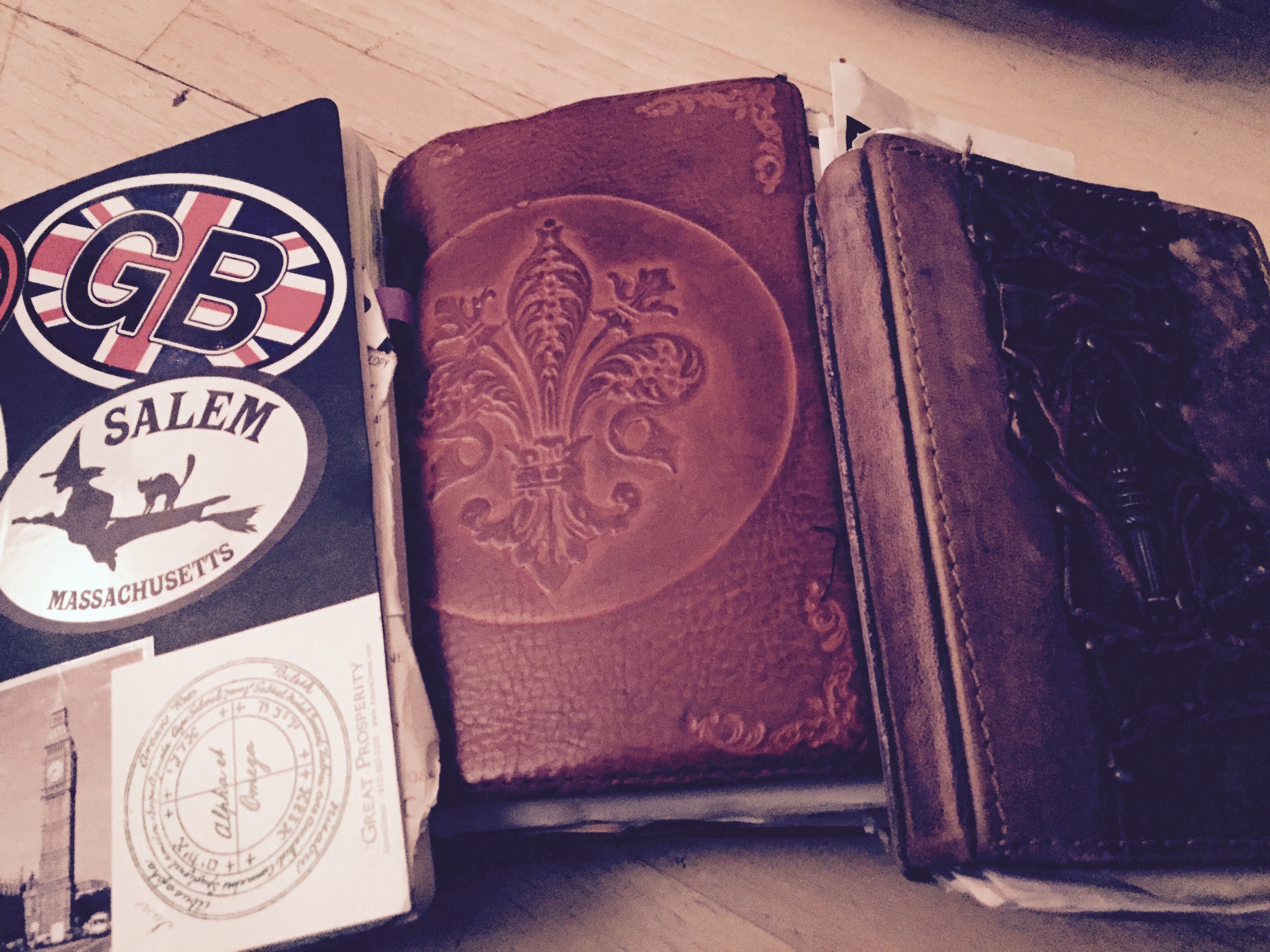
The characters grow in those spaces, whether I realize they’re characters or not. They are lines from a poem, a feeling evoked from a song, lyrics, ticket stubs, a Polaroid. The characters are a lot of things that would have never come together if I didn’t handwrite first.
Handwriting makes it feel like art.

I know by definition writing is an art. I just never feel like I’m making art. Handwriting my stories, though, and putting in all those extras makes me feel like I’m creating worlds for them, like the little girl with a dollhouse that she’s putting together.
Tristan, the protagonist of my novel, even has a journal that is featured on his blog. It originally just started out as a Tumblr blog, but I couldn’t “feel” him in that blue screen. I went out, bought a Moleskin (because he would totally have one) and started drawing and writing in his voice.
It made me feel like I could breathe again. Like the darkness wasn’t so suffocating because I could understand his thought process — I could follow his thoughts home.

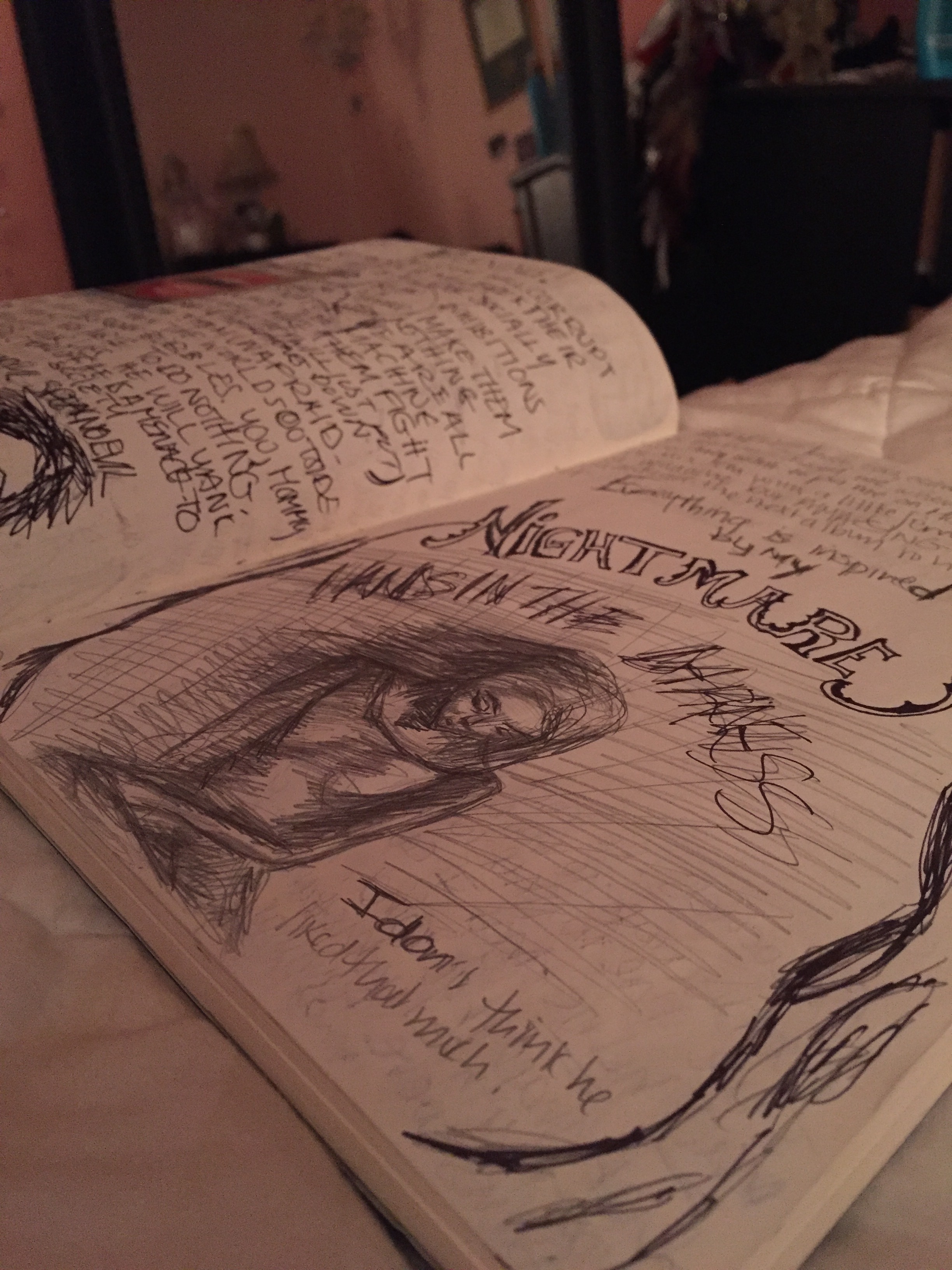
He’s real now. The moment I handwrote his first entry, he became real. The fourth wall broke, and he fell into reality. I can see him sitting in O Café sipping his Americano while sketching in his journal or pasting photos of Richey Edwards or Ian McCulloch onto the pages.
Handwriting and plotting my stories in my journal — it all helps me make worlds. It helps me create the universes that I want my readers to inhabit. And it helps me remember that before all the workshops and degrees and frustrations, there was just me, my journal, and the universes I wanted to build.


Tonianne Bellomo is a graduate of The New School MFA program and an adjunct lecturer at Baruch College where she teaches writing. She is currently editing a novel and blogging from her protagonist's POV at http://wax-and-wings.tumblr.com.